
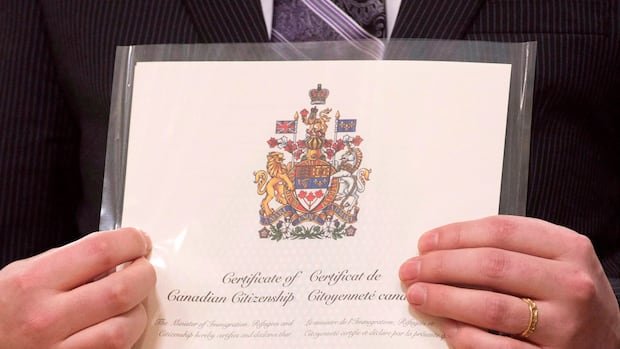

Applications for Canadian citizenship certificates have surged globally in recent months, with a significant increase driven by numerous submissions from the United States, as per CBC News findings. Following Parliament’s enactment of the “Lost Canadian” legislation late last year, the count of individuals obtaining certificates climbed by almost 50% from April 1 to May 31, based on fresh data acquired by CBC.
Bill C-3 enables citizenship for individuals proving descent from a Canadian forebear, even if that forebear emigrated generations ago. The legislation was introduced after courts deemed the previous restriction of citizenship to first-generation individuals born outside Canada as overly limiting.
From mid-December when Bill C-3 became effective until May 31, approximately 6,100 citizenship certificates were conferred by Immigration, Refugees, and Citizenship Canada (IRCC) to those now eligible. This marks an increase from the 4,075 certificates granted under Bill C-3 from mid-December to March 31.
Moreover, another 17,390 individuals have secured certificates due to having a Canadian parent. Before the bill’s enactment, those born outside Canada were required to have a Canadian parent to qualify for citizenship.
The issued certificates grant the newly recognized 23,490 Canadian citizens the right to apply for Canadian passports and reside and work in Canada. Nonetheless, Elections Canada notes that they cannot participate in federal elections unless they have resided in Canada at some point.
The rising demand for citizenship certificates has led to a surge in pending applications awaiting processing. In April, around 56,000 applications were in the queue, escalating to 70,400 in May. Currently, the IRCC website indicates that 121,800 individuals are awaiting a decision, which could encompass requests under Bill C-3 or routine replacements of lost certificates.
Simultaneously, the estimated waiting period for a decision has doubled from 12 months in May to 25 months as of August 10. The potential number of individuals qualifying for Canadian citizenship under Bill C-3 varies widely, with estimates suggesting that up to 115,000 people could be impacted by the legislative change.
Last October, Immigration Minister Lena Metlege Diab indicated to the House of Commons immigration committee that she did not anticipate a surge in citizenship certificate applications post-Bill C-3 implementation. The IRCC is actively managing the increased demand, aiming to process applications promptly while upholding the citizenship program’s integrity.
Moreover, archivists in Canada are witnessing a notable surge in requests for genealogical records essential to prove lineage from a Canadian ancestor for citizenship certificate eligibility under Bill C-3. The Association of Canadian Archivists reports a substantial increase in requests, causing strain on resources and impacting service to the public.
Archivists are calling for additional funding to cope with the mounting demand for records generated by Bill C-3. The recent suspension of citizenship certificates by IRCC due to document discrepancies has further heightened concerns among archivists, potentially leading to a new wave of requests for genealogical records.