
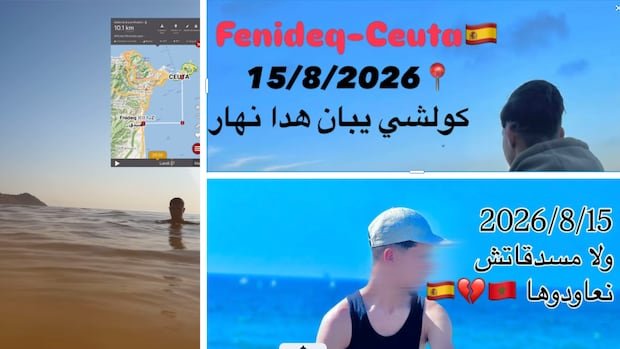

In the lead-up to a significant influx of migrants into Europe, a brief video on Instagram gained 1.4 million views. The video depicted a young man partially submerged in water, with a map illustrating a sea route from Fnideq, Morocco, to Ceuta, a Spanish enclave in North Africa. This post, along with others on platforms like TikTok, played a role in mobilizing two waves of irregular migration from Morocco to Ceuta. The online communities involved in these posts focus on migration-related content, including music and memes, often targeting African and Middle Eastern youths aspiring for better opportunities abroad.
There is a debate among authorities and organizations regarding the coordination of the events in Ceuta, with some suggesting the potential weaponization of migration for geopolitical purposes. However, what remains evident is the significant impact of misinformation spread by various online groups in driving the migration waves towards Ceuta this summer.
The surge in social media activity was notable prior to the initial wave on July 30, fueled by false information suggesting a change in Spain’s policy towards migrants arriving by sea. This misinformation led to a mass border crossing on July 30, with over 72,000 individuals entering Ceuta, causing strain on local authorities and sparking a political crisis in Europe. While most migrants have since returned to Morocco, approximately 5,000 individuals remain in Ceuta, with some tragically losing their lives during the crossing.
Social media accounts played a pivotal role in facilitating these migrations, directing followers to WhatsApp groups for planning and offering advice on reaching Ceuta. Despite efforts by platforms like Meta and TikTok to fact-check content related to the crossings, a subsequent wave was anticipated for August 15, with familiar accounts and new ones promoting the next opportunity to enter Spain.
The narratives shared on social media resonated with many individuals, particularly amid economic hardships and limited opportunities in their home countries. This messaging, coupled with images and language glorifying migration, appealed to a sense of hope and urgency among the youth in North Africa and beyond. The continual circulation of aspirational content and the promise of a better future in Europe fueled the desire for migration, amplified by social media platforms.
The situation underscores the complex interplay between social media, misinformation, and the underlying factors that drive migration aspirations. While online content can influence decision-making, the root causes of migration go beyond digital platforms, reflecting broader socio-economic challenges and aspirations for a better life elsewhere.