
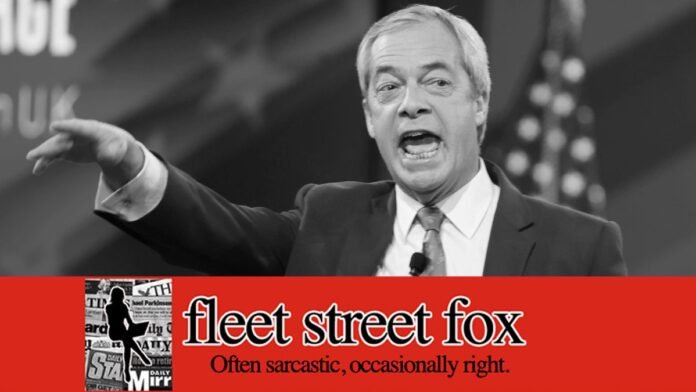

The Conservative Party has proposed implementing significant measures such as mass deportations and cutting benefits for individuals with mental health conditions. These policies have been put forward without much consideration for their potential impact on the well-being of the population. The primary motivation behind these proposals appears to be a strategic move to address the rising popularity of the Reform UK party, led by Nigel Farage.
Farage’s influence in shaping political discourse has been likened to a gravitational force, pulling attention and controversy toward him. Despite being a vocal critic of the political establishment, Farage himself has been criticized for his own privileged background and questionable contributions to public life.
While some may credit Farage for his role in the Brexit movement, the outcomes of Brexit have faced scrutiny, with concerns raised about trade deals, immigration policies, economic performance, and international relations. Farage’s persistent focus on divisive issues has led to a polarized national dialogue, perpetuating a cycle of negativity and conflict.
Farage’s presence in the media landscape has been associated with a rise in anxiety diagnoses and societal tensions. Critics argue that his rhetoric and actions have contributed to a culture of intolerance and division, undermining traditional British values of fairness, common sense, and unity. As a prominent figure in British politics, Farage’s controversial statements and policies have stirred debate and dissent, prompting calls for a reevaluation of his influence and role in public discourse.