
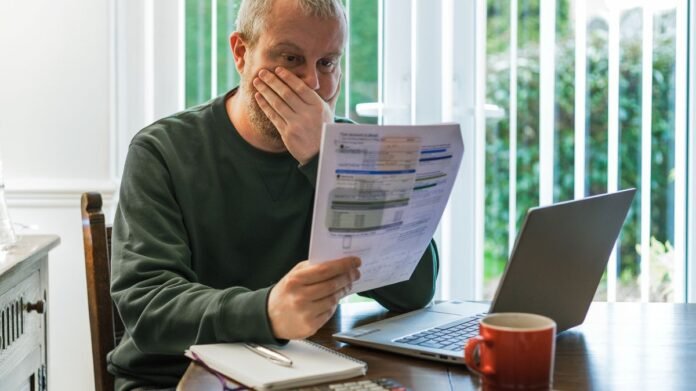

Nearly half of households are adjusting their energy consumption this winter due to soaring energy bills, a recent study has revealed. The research conducted by MoneySuperMarket’s website indicates that 45% of respondents have postponed turning on their heating this winter compared to the previous year.
Furthermore, 10% of participants admitted to disagreements within their families over heating usage, while 6% expressed concerns that inadequate heating at home had led to illness among household members. These findings emerge just before Ofgem’s price cap hike to an average of £1,758 per year for millions of households, representing a 50% increase since the cap’s introduction in 2019.
The survey also highlights that over half of households believe that the cost of living has worsened in the past year, with 31% reporting the need to make financial cutbacks. Laura Hinton from MoneySuperMarket Energy emphasized the financial strain many households are experiencing, urging people to be cautious with energy usage and consider energy-efficient appliances and lighting options.
To alleviate energy costs, Hinton suggested exploring fixed energy deals as a potential money-saving option. Additionally, installing a smart meter can help monitor real-time energy consumption and identify power-draining appliances in households. The Energy Saving Trust has also compiled 12 tips to assist households in reducing energy bills during the festive season.
These tips include adjusting boiler flow temperatures for improved efficiency, utilizing draught excluders for chimneys, maximizing dishwasher and washing machine loads, and lowering thermostats when cooking or hosting guests. Embracing cozy practices, such as layering clothing, using LED candles, and batch cooking in electric ovens, can also contribute to energy savings. Moreover, employing timers for Christmas lights and turning off devices at the plug when not in use are recommended strategies to reduce electricity costs.
Other energy-saving suggestions include letting leftovers cool before freezing, opting for rechargeable batteries over disposable ones, and transitioning to LED or solar-powered Christmas lights. These small changes can collectively lead to significant savings on energy bills while promoting sustainability and efficiency in households.