
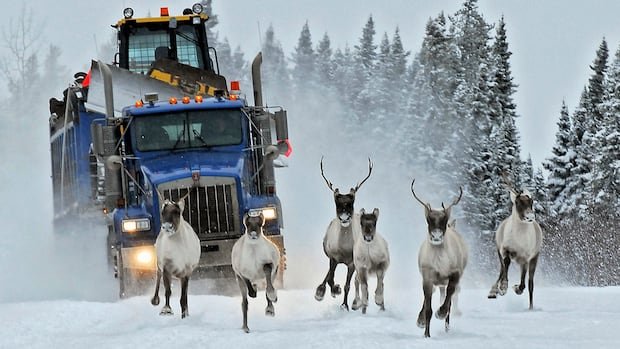

A study revealed that despite being classified as endangered in Canada, many species have faced delays in receiving protection decisions from the federal government. Out of 288 species assessed as at risk since 2017, only 17 have reached the final listing decision by the Governor in Council within the recommended timeframe. As of January 25, 2025, 153 species, including caribou, beluga whales, and lake sturgeon, were still awaiting listing decisions that could trigger vital habitat protections and recovery plans.
The study highlighted a bottleneck in the Species at Risk Act (SARA), where there is no statutory deadline for a crucial stage of the assessment process, leading to significant delays. Peter Thompson, a postdoctoral researcher at Simon Fraser University, emphasized that the government consistently fails to meet its self-imposed timelines of one to two years for species assessments.
One example is the Saskatchewan-Nelson River population of lake sturgeon, designated as endangered in 2017 due to a drastic decline in numbers since the 1960s. The study noted that the population missed a recommended federal deadline in 2020 and was still awaiting progress in 2025, highlighting the detrimental impact of human activities like dam construction on their habitat.
The protection of endangered species under SARA involves listing decisions that trigger prohibitions against harming or capturing them, along with the development of recovery strategies and critical habitat identification. Aquatic species, in particular, face challenges as SARA’s protections apply to them nationwide, unlike terrestrial species limited to federal lands.
Indigenous consultation is highlighted as a factor causing delays in some cases, but experts emphasize the importance of integrating such consultations into the species-listing process without impeding progress. The study identified multiple Pacific salmon populations facing delays, with data collection and analysis cited as common causes for the backlog.
Critics argue that the lack of transparency and statutory timelines in the process allows governments to postpone difficult decisions balancing conservation and economic interests. Efforts to expedite the process and provide essential protections for endangered species are deemed crucial to safeguard biodiversity and cultural connections to these species.