

Montreal authorities are discreetly expanding their array of AI-driven technologies to monitor vehicles and individuals throughout the city, sparking concerns about transparency and privacy rights.
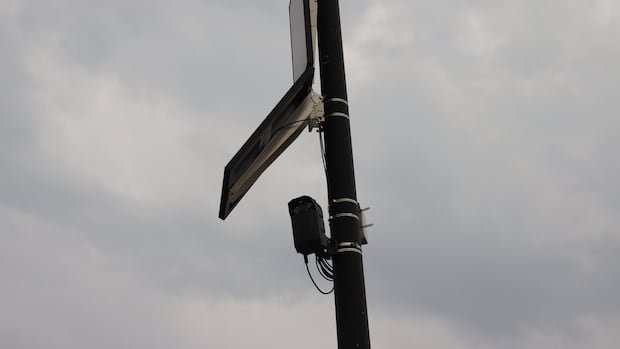
A powerful camera capable of scanning and recognizing vehicles was recently sighted by a Radio-Canada journalist on a lamppost along Henri-Bourassa Boulevard in Montreal’s Rivière-des-Prairies district. Following Radio-Canada’s coverage, the camera, identified as a Cloudrunner CR-H2 produced by local company Genetec, was promptly removed.
Similar to the controversial Flock Safety cameras prevalent in the U.S., Genetec’s system goes beyond merely scanning license plates. It also records and retains specific vehicle attributes such as color, make, and model, as detailed on the company’s website.
Unlike Flock cameras that share data in a central database accessible to multiple law enforcement agencies, Genetec’s setup ensures that the collected data is controlled by its operator. The SPVM clarified that access to the captured images is restricted to investigators overseeing the relevant operations.
The decision to remove the camera was explained as a measure to safeguard ongoing investigative strategies, according to SPVM spokesperson Marc-Antoine Bélanger. He emphasized that the police intentionally maintain secrecy around their technological tools to avoid compromising intricate investigations.
While acknowledging the necessity of advanced investigative techniques, privacy advocates criticize the lack of transparency in introducing new technologies. Dominique Peschard from the Ligue des droits et libertés emphasized the importance of keeping the public informed about law enforcement tools without jeopardizing their effectiveness.
The utilization of Cloudrunner cameras is part of the SPVM’s broader integration of AI technologies. The police force has disclosed its use of iMotion ROC AI software by Rank One Computing to aid investigators in sorting through extensive video footage, denying the application of facial recognition or biometric features.
The software operates on a closed offline network separate from external databases, analyzing footage from various surveillance cameras, including those in public spaces and private properties under lawful authorization.
An internal privacy impact assessment highlighted by CBC News acknowledges the civil liberties risks associated with the technology, emphasizing the need for oversight to prevent potential infringements on individuals’ rights.
Montreal’s engagement with Genetec for Cloudrunner units, as per public records, underscores the city’s commitment to enhancing investigative capabilities. SPVM’s readiness to deploy more cameras as required for investigations related to armed violence and auto thefts signifies a proactive stance towards enhancing public safety.
Genetec’s Vice President, Andrew Elvish, reassured that the technology prioritizes privacy and maintains detailed logs of data interactions. He posed the question of balancing privacy expectations with community safety concerns, emphasizing the need for a nuanced approach in deploying such technologies.
City of Montreal officials clarified that they did not install the Cloudrunner camera and directed inquiries about its deployment to the SPVM. The city’s initiatives around public safety and surveillance, including the proposed voluntary security camera registry championed by Mayor Soraya Martinez Ferrada, aim to strike a balance between security and privacy concerns.
In Quebec, oversight bodies mandate that public video surveillance must serve a legitimate, urgent, and crucial purpose, cautioning against unnecessary data collection. Legal experts stress the importance of stringent regulations to prevent privacy violations in public domains.