

Conspiracy theories have been around for centuries, persisting despite advancements in human knowledge. From questioning the Moon landing to spreading falsehoods about significant events like 9/11, Princess Diana’s death, and Barack Obama’s birth certificate, these theories have captured the imagination of many. More recently, with the Covid pandemic, new conspiracy theories have emerged, fueled by various influencers and public figures.
One notable example is the belief that Bill Gates is implanting microchips in people, or the idea that Covid is a hoax perpetuated by Big Pharma. These theories gained traction, especially among anti-vaxxer communities, leading to widespread misinformation. Even celebrities like Madonna have contributed to the spread of such theories, further complicating the issue.
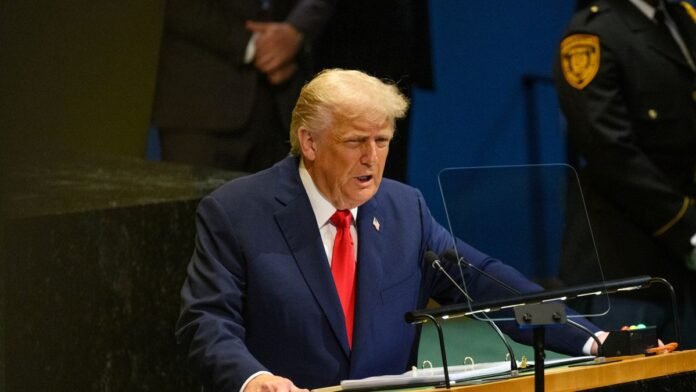
However, the situation has taken a more serious turn with the rise of political leaders endorsing conspiracy theories. Former President Donald Trump, for instance, has been vocal about the 2020 election being stolen and has made various unsubstantiated claims. His recent speech at the UN was rife with conspiracy theories, from climate change denial to fear-mongering about migration and London’s mayor.
In other parts of the world, such as Russia, conspiracy theories serve as a means of control and manipulation by leaders like Putin. Claims of election rigging, cyber-attacks, and repression are often dismissed as Western propaganda, perpetuating a cycle of misinformation and distrust.
These baseless theories are not just harmless rumors but can have real-world consequences, fueling anger and division among populations. Leaders like Trump and Nigel Farage capitalize on these narratives to sow discord and further their agendas. It’s crucial to recognize the dangers of such conspiracies and their potential to incite violence and discrimination, as history has shown the catastrophic outcomes they can lead to.