
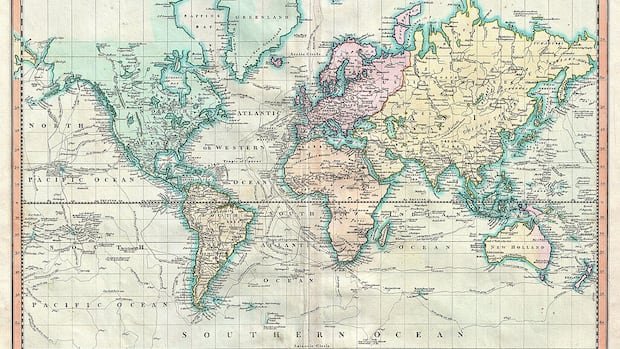

The United Nations made a significant decision on Friday to transition from the outdated Mercator global map to a more accurate representation of countries’ actual sizes. This move, led by African nations, aims to combat the misconception that Africa is on the periphery of global importance.
Togo spearheaded the effort to support the African Union’s initiative to reduce the use of the Mercator map, known for distorting the sizes of land masses by exaggerating those closer to the poles. This distortion makes Greenland seem similar in size to Africa, despite Africa being approximately 14 times larger.
“A fair world starts with an equitable map,” stated Togo’s Foreign Minister Robert Dussey ahead of the vote. The resolution endorses the Equal Earth projection, which provides a more precise depiction of continent sizes.
Although not legally binding, the resolution does not challenge the use of the Mercator projection for maritime and aerial navigation, for which it remains suitable, according to the Togolese ministry.
The resolution passed in the UN General Assembly with a vote of 164 to one, with six abstentions. The United States, the sole dissenting vote, criticized the resolution for promoting an “ideological agenda” and diverting attention from genuine international issues.
Togo aims to update its school geography materials by the end of the year, becoming the first country to make this change. Dussey emphasized the importance of setting an example for all countries by updating classroom maps.
Togo plans to encourage other governments, schools, international organizations, and technology companies to shift away from the outdated Mercator projection in favor of the Equal Earth projection, which provides a more accurate depiction of the world.
Dussey stated that discussions with African Union members and supporters from other regions will take place within the next six months to strategize on promoting broader adoption of the new projection. He emphasized that this campaign aligns with broader African efforts to address colonial legacies and is not intended as an attack on any particular civilization.
“The world is evolving, and Africa is evolving with it,” Dussey remarked on the changing landscape of global perspectives.