

The credibility of government statements has long been questioned due to the prevalence of spin and strategic messaging. However, recent events have heightened concerns over the truthfulness of the Trump administration’s communications. Instances of misinformation, such as falsely labeling a woman in Minnesota as a “domestic terrorist” and manipulating images to misrepresent a US citizen’s arrest during a protest, have eroded trust in official pronouncements.
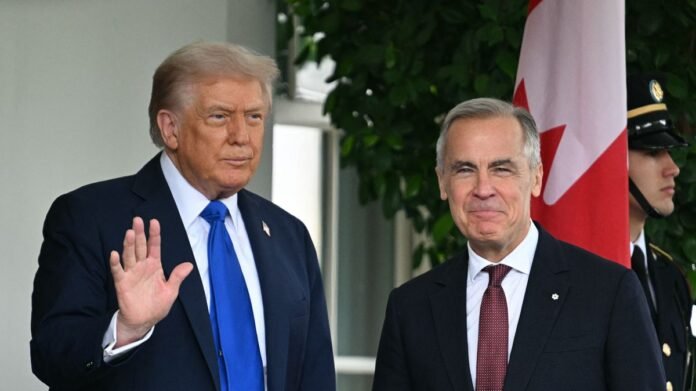
In response to Canada’s trade negotiations with China, President Trump threatened a 100% tariff, asserting that Canada should not serve as a conduit for Chinese goods into the US. This move comes amid ongoing trade tensions and contrasts with earlier favorable comments from Trump regarding a trade deal between Canada and China.
The controversy surrounding Trump extends to criticism from musician Sir Rod Stewart over disparaging remarks made about troops in Afghanistan. Stewart called on UK politicians to demand an apology from Trump for his comments, emphasizing his respect for the sacrifices made by military personnel.
Additionally, the White House faced backlash for posting misleading images, including a digitally altered photo of Trump with a penguin in Greenland, which sparked ridicule for its geographical inaccuracy. The administration’s use of deceptive imagery has drawn criticism for its lack of transparency and factual integrity.
Meanwhile, law enforcement actions against clergy protesting immigration policies at a Minnesota airport resulted in arrests and citations, highlighting ongoing tensions over government policies. The resignation of an FBI agent in Minnesota further underscored concerns over the handling of investigations and calls for accountability within government agencies.
In another controversial move, the removal of a slavery exhibit in Philadelphia’s Independence National Historical Park raised questions about historical revisionism and the importance of acknowledging all aspects of the nation’s past. The city of Philadelphia filed a lawsuit to prevent the permanent removal of references to slavery, emphasizing the need for a comprehensive understanding of American history.
These developments reflect the ongoing scrutiny of the Trump administration’s actions and communications, as well as broader concerns about transparency, accountability, and historical accuracy in government messaging and decision-making.