
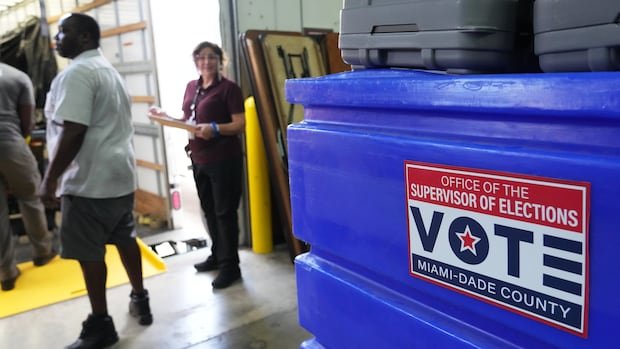

The approval by the U.S. Supreme Court of President Donald Trump’s mail-in voting restrictions has created uncertainty in the voting process used by nearly one-third of the country. While the court has not yet determined the constitutionality of Trump’s order, it ruled that the states challenging it lack the legal standing to do so.
Justice Ketanji Brown Jackson dissented, cautioning that the decision could disrupt the upcoming midterms. Trump’s executive order, issued in March, directs the creation of voter eligibility lists and mandates that the U.S. Postal Service deliver mail-in ballots only to individuals on those lists.
A separate injunction preventing the Postal Service from implementing changes to comply with the order remains in place. However, the administration has filed a motion to lift this injunction and has introduced new regulations that would come into effect once legal hurdles are cleared. These regulations include envelope formatting requirements for mail-in ballots and the use of an electronic system by states to identify voters using mail-in ballots.
Tammy Patrick, Chief Program Officer at the Elections Center, expressed doubts about states being able to comply with the new rules due to the unique decentralized nature of U.S. elections. The dismantling of the Federal Election Assistance Commission earlier this year has further complicated the situation.
Jesse Salinas, a county registrar in California, highlighted the logistical challenges posed by the looming implementation of the new rules, with the state’s election process already in motion. Efforts by the White House to impose voting restrictions have faced resistance, with legal setbacks and failed attempts to obtain voter data from states.
Trump’s opposition to mail-in voting, despite his previous electoral successes with it, has led to a partisan divide in mail-in voting preferences. Claims of widespread voter fraud have not been substantiated, with no evidence supporting allegations of fraudulent voting practices in past elections.