
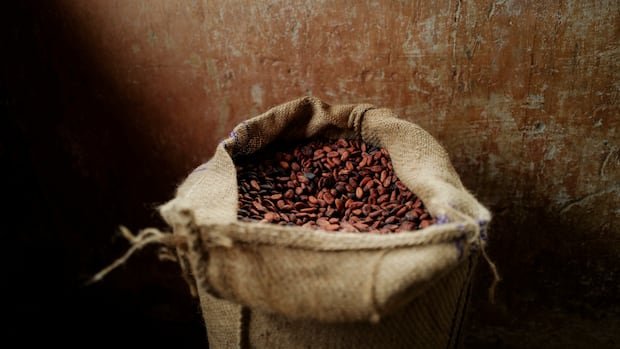

A recent peer-reviewed study highlights an overlooked risk facing cocoa production as hyper-bright boxes of bite-sized chocolates hit stores nationwide for Halloween. Anna Lea Albright, an environmental fellow at Harvard University, emphasized that heavy rainfall poses a significant threat to cocoa production, surpassing heat and drought concerns.
The study revealed a surge in cocoa prices in recent years, with a tonne now priced around $6,000 US, a substantial increase from the $2,000 to $3,000 US range seen since 2014. The spike in 2024, exceeding $12,000 US, was attributed to various factors, including severe flooding in West Africa, the world’s leading cocoa-growing region, involving over two million farmers.
According to Leslie Agyare, founder of Three Mountains Cocoa, heavy rainfall has posed substantial challenges for farmers in Ghana this year, hindering harvesting efforts. Despite the looming impact of climate change on extreme rainfall events, the study suggests potential measures to mitigate the adverse effects on cocoa production, a vital crop enjoyed by billions globally.
The research, focusing on Ghana as the second-largest cocoa producer globally, illustrated that extreme rainfall during the flowering season significantly hampers yields compared to temperature fluctuations. The study also noted a clear climate signal indicating that warmer air, holding more moisture, contributes to intensified rainfall during the wet season.
Apart from climatic risks, the study highlighted non-climactic factors like aging trees and illegal gold mining as additional threats to cocoa production. Experts underscore the urgent need for infrastructure investments to address challenges such as post-harvest processes, fungal diseases, and heavy rainfall impacts on cocoa cultivation.
As extreme weather events continue to affect cocoa farming, concerns arise about the sector’s sustainability in West Africa. The escalating challenges could drive farmers away from cocoa cultivation, potentially prompting chocolate producers to explore cocoa-free alternatives for a more resilient supply chain amidst fluctuating prices and climate uncertainties.
Amid growing interest in cocoa-free chocolate options, major players like Nestlé have entered the market, collaborating with innovative startups to develop alternatives using ingredients like sunflower seeds. Despite the historic underpricing of chocolate, experts caution that smallholder cocoa farmers in West Africa have long borne the brunt, emphasizing the need for sustainable solutions to support the industry’s future.