

As the colder months approach, ensuring warmth and comfort in your home, especially while in bed, is a top priority for many. The good news is that achieving a cozy environment doesn’t have to come with a hefty increase in energy expenses. Making simple and affordable adjustments can help you stay snug without breaking the bank.
Renowned home organizer and television personality, Dilly Carter, shares valuable insights to help prepare your home for the winter season.
“When it comes to nighttime, instead of heating the entire house, focus on warming up your bed,” suggests Dilly.
“Consider switching to a winter duvet or adding an extra blanket for additional warmth. An electric blanket can preheat your bed before bedtime and automatically switch off once you’re asleep,” she adds.
In addition to bed-related tips, Dilly recommends enhancing insulation by adding cost-effective thicker linings to your existing curtains.
“Preventing heat loss from your home is key to reducing energy expenses,” emphasizes Dilly.
Regarding heating efficiency, she advises, “Ensure all radiators in your home are bled to maximize heat distribution. Utilize your heating timer effectively by programming it to operate only when necessary.”
Dilly further explains, “Most modern homes can reach a comfortable temperature within thirty minutes and retain warmth for an additional thirty minutes after heating is turned off. Adjust your timer based on your house’s heating requirements.”
To promote proper heat circulation, Dilly highlights the importance of clearing any obstructions blocking radiators and avoiding hanging clothes on bedroom radiators, which can hinder heat dispersion.
“There are numerous simple and inexpensive ways to keep your home warm this winter,” Dilly remarks.
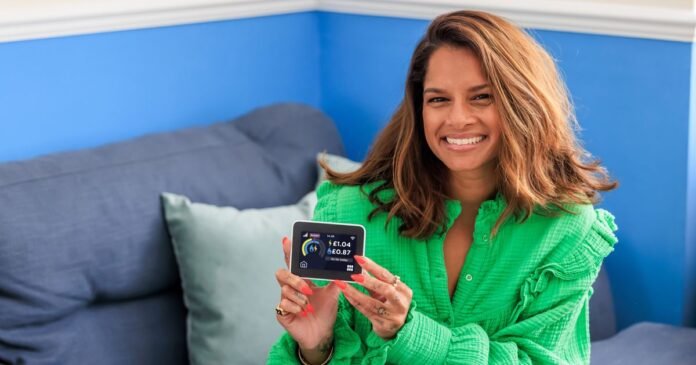
For better control over energy usage and costs, Dilly recommends installing a smart meter, which provides real-time insights into energy consumption.
“Having a smart meter is a convenient starting point. By monitoring your energy usage and costs, you can identify areas where you can cut back,” she explains.
Smart meters are typically installed by energy suppliers at no additional cost and display energy consumption in monetary terms for easy tracking.
Dilly concludes, “You don’t necessarily need to invest in expensive energy-efficient technology; focusing on these basic steps can make a significant difference.”
Please note that eligibility for smart meters may vary, and the figures displayed on the smart meter are for illustrative purposes only.