
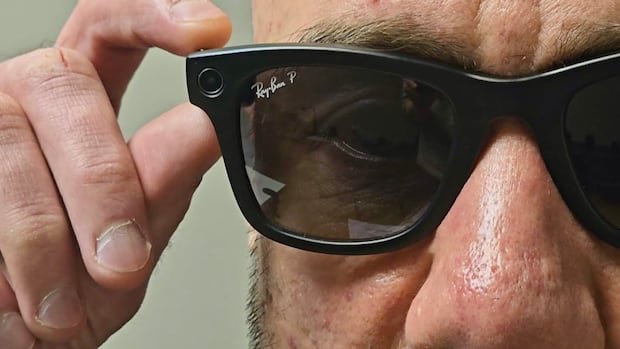

Norway is considering imposing a temporary ban on the use of smart glasses in certain public spaces to address the potential privacy risks associated with these advanced devices. The government aims to regulate the use of AI glasses in locations where privacy is deemed crucial, such as healthcare facilities, fitness centers with changing areas, and places where children gather like schools and playgrounds.
The proposed ban may extend to public events, parks, beaches, museums, and shopping centers. Authorities suggest that a temporary prohibition would allow time to assess which devices could be affected and whether permanent regulations are necessary. The government emphasizes that it is not proposing a complete ban and intends to permit the use of smart glasses in specific settings and for personal use.
Furthermore, exceptions may be considered for vulnerable groups to enable socially beneficial uses of smart glasses under certain circumstances. Privacy advocates have applauded Norway’s initiative, highlighting the importance of safeguarding individuals’ privacy rights in the face of technological advancements.
Despite efforts to promote responsible use, concerns regarding privacy violations persist. Some businesses, including a major eyewear retailer in the Netherlands, have halted the sale of AI glasses due to growing apprehension surrounding their usage. In response to the ongoing debate on smart glasses, various organizations worldwide are implementing policies to regulate or restrict the wearing of camera-enabled glasses in specific settings to address privacy and security concerns.