
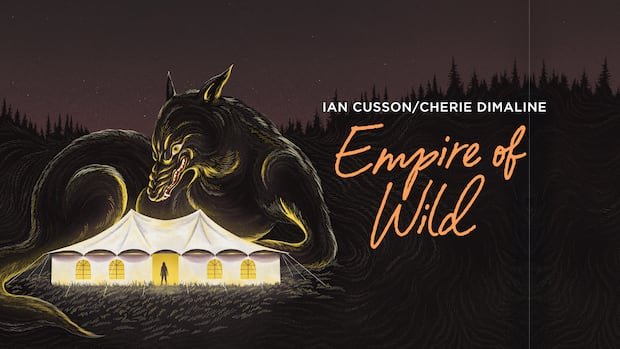

Cherie Dimaline’s novel “Empire of Wild” follows three generations of women striving to rescue their family member from the clutches of the werewolf-like Rogarou to bring back a missing husband and safeguard their territory from corporate interests. The compelling narrative earned the distinction of being named Indigo’s top book in 2019, surpassing renowned works like Margaret Atwood’s “The Testaments” and Taylor Jenkins Reid’s “Daisy Jones & The Six.”
An investment of approximately $4 million is underway to support an Indigenous-led creative team in adapting the book into an opera, with plans for the world premiere scheduled for next spring in Toronto. This bold move aims to attract a younger audience and those new to opera, potentially challenging traditionalists who prefer the conventional repertoire.
Set in the Georgian Bay Métis community of Penetanguishene, Ontario, where author Cherie Dimaline and composer Ian Cusson have roots, “Empire of Wild” resonates with personal connections. Cusson, inspired by the tales his mother shared about the Rogarou, found familiarity in the characters and dialogues, reflecting the contemporary essence of the narrative.
The collaborative vision of Cusson and Dimaline was to craft relatable modern characters for today’s audiences, including queer individuals and a working-class family facing extraordinary circumstances. The opera adaptation incorporates elements of horror, creating a cinematic experience that aligns with the preferences of younger viewers.
Elisabeth St-Gelais, portraying the lead character Joan, acknowledges the story’s relevance to a wide audience, highlighting Joan’s imperfections and struggles as aspects that resonate with many. At its core, “Empire of Wild” delves into themes of power, resistance, and resilience, emphasizing the importance of intergenerational support along matrilineal lines.
Through a diverse cast, including talents like Marion Newman and Evan Korbut, the opera embodies the essence of Indigenous storytelling, showcasing shared truths and cultural nuances. The narrative’s exploration of “survivance,” embodying survival and resistance, reflects the resilience of Indigenous communities in the face of historical challenges.
The creative team’s inclusive approach to artistry, led by Indigenous voices like Cree designer Jeff Chief and Algonquin director Yvette Nolan, emphasizes collaboration and equality in the creative process. This innovative model of creation, as seen in “Empire of Wild,” sets a precedent for fostering diverse perspectives and contributions in the realm of opera.
Cusson envisions this inclusive approach as a blueprint for future opera productions, advocating for a more equitable and participatory creative environment. The transformative impact of Indigenous leadership in the arts signifies a broader cultural shift towards embracing diverse voices and narratives.
The Indigenous-led opera adaptation of “Empire of Wild” marks a significant milestone in promoting inclusivity and innovation within the opera industry, paving the way for a more diverse and representative artistic landscape.