
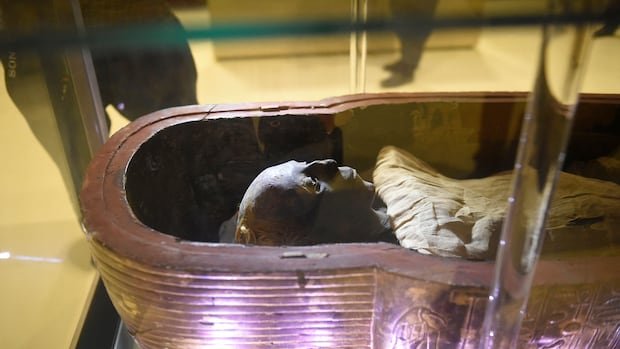

Researchers have identified a global online market for preserved human remains, including mummified body parts, which they consider a potential health risk. A study led by Kirsty Squires and her team from the University of Staffordshire analyzed 128 web posts showcasing human and animal remains for sale from 2015 to 2025.
Squires highlighted that mummified heads, hands, and feet were commonly advertised online. These preserved body parts may contain dormant microorganisms like bacteria and fungi, posing health hazards if not handled properly. While some experts downplay the concerns for knowledgeable collectors, the risk remains.
Safe Handling Practices
Squires noted that many online images displayed signs of deterioration due to inadequate storage conditions. Properly controlled storage environments in museums maintain temperature and humidity to preserve mummies, unlike private settings where conditions vary.
Improper handling of mummified remains can release fungal spores and bacteria into the air, potentially affecting individuals with compromised immune systems. The study also warns of toxic chemicals like arsenic and mercury found in embalming fluids on some mummified body parts.
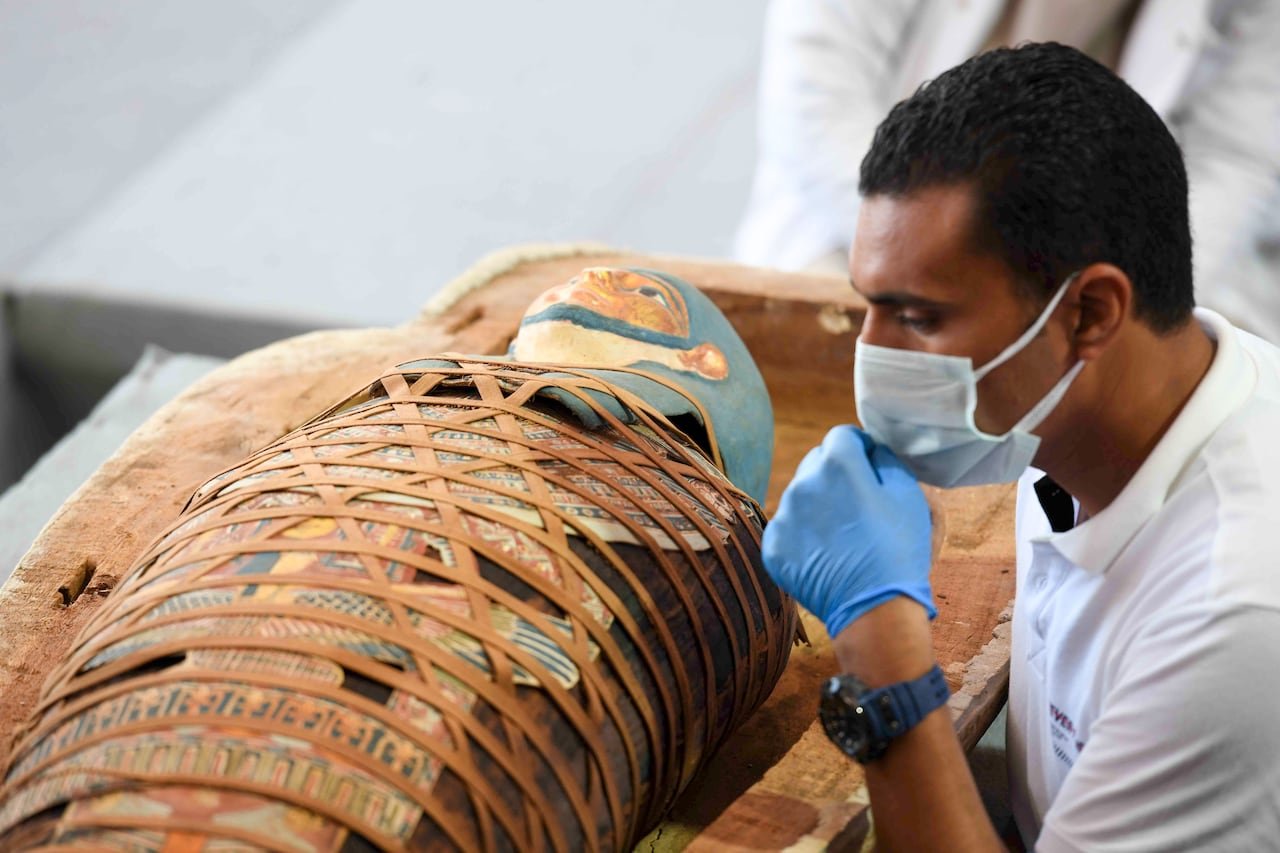
Although the study did not provide specific cases of illnesses from handling online-purchased human remains, historical incidents like the deaths of conservation scientists in 1973 due to mould exposure serve as cautionary tales.
Ethical and Regulatory Concerns
James Scott from the Dalla Lana School of Public Health in Toronto emphasizes ethical considerations over health risks in the trade of human remains. He believes that while mould exposure poses some risk, collectors who handle items with care and protective gear may face minimal issues.
Canadian researchers found that 11 online posts offering human remains came from Canada, reflecting the unregulated nature of the trade. Shawn Graham from Carleton University suggests that stricter regulations are necessary to prevent the unmonitored sale of human remains.
While Canada Post prohibits the shipment of mummified human remains, sellers can exploit loopholes by mislabeling packages. This lack of oversight poses risks for postal workers and potential recipients.
Policy Recommendations
Graham advocates for legislation similar to the U.K.’s proposed ban on online human remains sales to address the ethical implications of commodifying human bodies. He stresses the need for strict regulations to prevent the exploitation of cultural artifacts and human remains for profit.
By raising awareness of the risks associated with the online trade of human remains, researchers aim to promote responsible practices and protect public health.
Tag: rewrite-done