
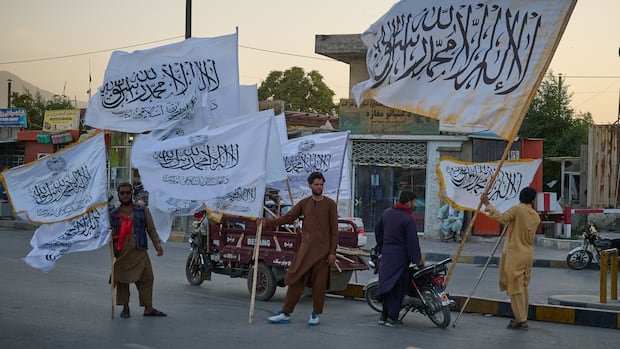

Abdul Razaq Khan, a former interpreter and facilitator for Canadian media during the Afghan conflict, received a text late one night from a journalist he had guided through Kandahar’s chaotic streets. This occurred five years ago while he was residing in Kabul, having moved on after Canada’s departure from Afghanistan to work at USAID. In the summer of 2021, the Taliban made significant advances towards Kabul.
The message he received inquired about his safety, to which Khan responded, expressing the gravity of the situation. Even after five years and now living in Canada, Khan still struggles to comprehend the loss of his job, home, and country, alongside the events leading to the rapid downfall of the government supported by the West.
Leaving his homeland was not a choice made lightly, as Khan reflects on the challenges he faced. Escaping on foot, he crossed the Pakistani border just before the Taliban seized control of Kabul. His association with Canadian media, particularly The Canadian Press, CTV News, and Postmedia, had made him a target for reprisal.
Similarly, many Afghans who collaborated with journalists, as well as Western military and aid agencies, found themselves in peril after the Taliban’s triumph. This victory displaced countless Afghans and ushered in a regime characterized by strict authoritarianism, the marginalization of women, curbing of media freedom, and the imposition of rigid moral standards through a dedicated ministry.
The plight of Afghan women, who bore the brunt of Western social policies during the conflict, has been dire. The Zan Times, an Afghan women’s advocacy group, documented a surge in violence against women in Afghanistan, often without justice. The report highlighted the Taliban’s leniency towards perpetrators of violence against women, with many cases falsely labeled as suicides to evade accountability.
Despite Western nations’ inability to directly safeguard women’s rights in Afghanistan post-collapse, some countries initiated humanitarian visa programs to evacuate high-risk Afghan women, including judges, activists, journalists, and politicians. However, these efforts were deemed insufficient by two organizations overseeing resettlement initiatives across Western nations.
Canada, for instance, resettled over 60,000 vulnerable Afghans post-Taliban takeover, surpassing its initial target of 40,000. Nevertheless, there are still many vulnerable individuals under the Taliban’s oppressive rule, necessitating a reassessment of resettlement programs, as emphasized by former Canadian combat commander, retired major-general Denis Thompson.
The Allied Ledger report, compiled by Local Staff International and AfghanEvac, evaluates how allied nations managed evacuation and resettlement efforts. U.S. Senator Chris Coons stressed the importance of honoring promises made to those who risked their lives for American and NATO forces, urging continued commitment to fulfilling obligations in the aftermath of the Afghan conflict.