
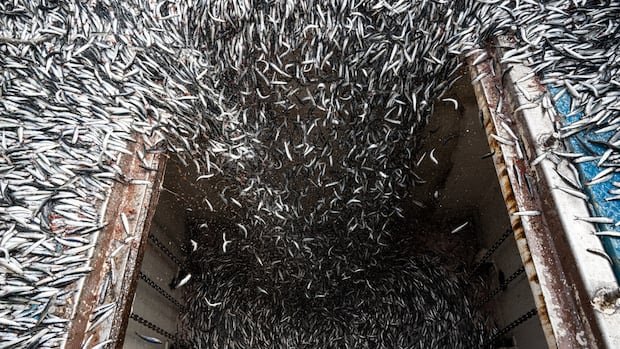

In 2020, government investigators in Goa, India, visited United Marine Products factory to inspect its wastewater disposal methods. Local complaints about air and water pollution were linked to the factory’s fish meal production process, which involves grinding wild-caught fish into protein-rich powder for farmed fish feed. The inspectors found that the plant had resorted to an illegal method of wastewater disposal by drilling bore holes behind the facility, contaminating groundwater and causing health issues for nearby residents and livestock.
Despite allegations, the plant owner denied any wrongdoing. The factory supplied Skretting, a major feed producer used by numerous Canadian fish farms, indirectly connecting Canadian seafood consumers to the environmental and social impacts of fish meal production. The Outlaw Ocean Project’s investigation revealed hidden costs in producing fish feed, such as job losses in artisanal fishing, chemical exposure, worker fatalities, and protests due to the foul odors from fish meal factories.
The investigation highlighted the disproportionate burden of social and environmental consequences on developing countries where feed ingredients are sourced and processed, contrasting with the consumption of luxury seafood products in wealthier nations. The reliance on fish meal in aquaculture poses challenges, with the industry making efforts to reduce its impact by incorporating alternative ingredients like insects, algae, and krill to decrease fish meal usage. Despite industry claims of sustainability improvements, the demand for fish meal continues to rise, impacting global fisheries and raising concerns about overexploitation and unsustainable practices.