

Skydance-owned Paramount has successfully completed its acquisition of Warner Bros. Discovery in a deal valued at $81 billion in the United States. This union has birthed a new entertainment powerhouse known simply as “Skydance.” The merger brings together two longstanding American film studios, incorporating a wide array of content from iconic titles like “Harry Potter” to “Sinners,” alongside networks such as CNN, all now under the umbrella of Paramount+, CBS, and renowned films like “Top Gun” and “The Godfather.”
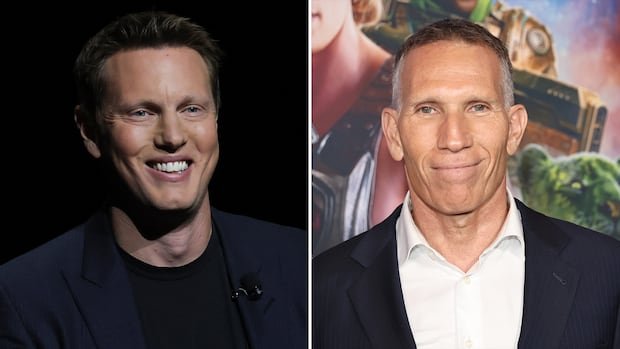
This consolidation places billionaire David Ellison at the helm, alongside co-CEO Ynon Kreiz, formerly associated with Mattel, solidifying their influence in an industry already dominated by a few major players.
In terms of the Canadian streaming landscape, Ellison has hinted at merging Paramount+ and HBO Max into a single streaming platform eventually. However, in Canada, HBO content is currently exclusive to Bell Media’s Crave, while Rogers holds licensing rights for Discovery content, and Corus has agreements for select Paramount titles, including the Cartoon Network. These multi-year arrangements suggest that Canada’s streaming environment is unlikely to change significantly for the foreseeable future.
Despite potential streaming service consolidation in the U.S., the economic landscape in Canada may not support such a move, as noted by Stephen Zolf, a partner at Aird & Berlis law firm in Toronto. Zolf highlighted that due to the market size disparity between the U.S. and Canada, it may be more financially viable for content rights holders to maintain existing partnerships with Canadian broadcasters like Crave.
While access to streaming services may remain consistent, consumers can anticipate price hikes, according to Mike Proulx, Vice President and Research Director at Forrester. Proulx mentioned a trend of price increases across major streaming platforms in recent years to drive profitability and address debt, which could continue with Skydance’s evolving streaming service configurations.
As part of a settlement with U.S. states opposing the merger, Paramount has committed to releasing a minimum of 30 films annually for the next two years, with subsequent years seeing 32 films per year, half of which will be produced or co-produced by the combined company. This move raises concerns among advocates of independent cinema, such as Keldon Bester from the Canadian Anti-Monopoly Project, who worries about the long-term impact on film diversity and production.
Furthermore, Paramount’s pledge to ramp up film production spending by an additional $1.5 billion over the next five years in the U.S. could potentially result in job cuts, as indicated in reports from Los Angeles County. This shift may also affect the Canadian film industry, reducing opportunities for Canadian talent and production crews.
The Hollywood community has shown mixed reactions to the merger, with some expressing concerns over potential job losses and limited content diversity, while others voiced support for Paramount’s commitment to filmmaking. Notably, there have been public figures, including Sally Field, who emphasize the importance of preserving unique storytelling and diversity in the film industry.
The involvement of U.S. President Donald Trump in the merger discussions, particularly regarding CNN’s ownership, has raised questions about editorial independence and potential impacts on media diversity. While assurances have been made regarding CNN’s autonomy, concerns linger about the implications of the merger on news content and industry dynamics.
The relationship between the Ellison family and Trump has been highlighted, with past interactions signaling a close connection between Paramount’s leadership and the former president. These interactions have drawn attention to potential influences on media ownership and industry dynamics post-merger.