
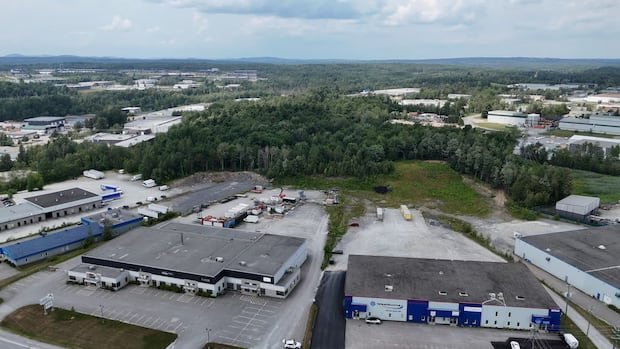

Thousands of residents in Sherbrooke, Quebec, have expressed their opposition to a large-scale data center project, citing concerns over transparency in the municipal council’s decision-making process. Worries about the environmental impact and noise generated by the proposed facility have prompted residents to demand thorough environmental assessments, public discourse, and a reevaluation of allowing a U.S.-based company to construct a massive data center in their vicinity.
Jayson Roy, a resident actively involved in the petition against the project, emphasized the need to consider broader implications beyond the city’s selective highlighting of benefits while disregarding specific concerns. He stressed the importance of transparent decision-making and inclusive dialogue with the community.
The city has been moving forward with Keel Infrastructure, a U.S. company formerly known as Bitfarms, for the development. This decision has sparked memories of past controversies related to cryptocurrency activities by the same entity, which faced criticism for noise pollution and high energy consumption in the region.
Residents, including Roy, have raised the issue of digital sovereignty, expressing unease about foreign entities profiting from local ventures. They advocate for more local involvement and control over such projects to ensure alignment with community values and interests.
In response to the mounting criticism, Sherbrooke officials clarified that the deal with Keel Infrastructure is not yet finalized and only represents an initial step toward negotiation. The city emphasized the significant financial benefits tied to the project, highlighting the potential revenue streams that could positively impact the local economy.
Mayor Marie-Claude Bibeau defended the proposed data center, citing its modern cooling systems designed to minimize water waste and noise levels. She assured that stringent studies and compliance with regulations would be crucial before any construction commences.
Despite the assurances, some elected officials, including members of the Sherbrooke Citoyen party, have expressed reservations about the lack of transparency surrounding the project. Keel Infrastructure responded by acknowledging the community’s concerns and pledged to address them through upcoming public information sessions.
The company also refuted claims of increased electricity consumption, stating its plans to repurpose existing electrical capacity rather than requesting additional power generation. Keel Infrastructure emphasized its commitment to engaging with the public and addressing any lingering apprehensions from past operations.
As the project continues to unfold, Sherbrooke residents remain vigilant, seeking more transparency, community engagement, and assurances of environmental responsibility from all involved parties.