

In a world filled with challenges and uncertainties, the recent address by Donald Trump at the World Economic Forum in Davos underscores the importance of maintaining composure and exerting a calming influence on the global platform.
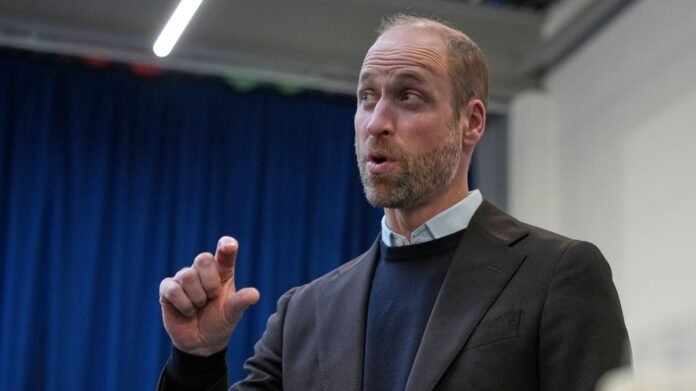
The forthcoming landmark visit of Prince William to Saudi Arabia is a development that was widely anticipated given the current geopolitical landscape. Amidst the aftermath of Brexit, ongoing conflicts in Europe, and the looming threat of detrimental trade tariffs from the United States, the UK is compelled to seek new partnerships and safeguard its national interests. Canadian Prime Minister Mark Carney’s statements at Davos this week highlighted the need for nations to chart independent paths amidst shifting global dynamics.
At the Davos conference, Carney openly questioned the viability of the traditional rules-based international order, emphasizing the necessity for adaptive diplomacy. The involvement of the Prince of Wales in fostering relationships across the Middle East exemplifies the effectiveness of soft power in global affairs.
Prince William’s strong interest in the Middle East underscores a broader mission beyond personal curiosity. Having visited countries like Israel, Palestine, Oman, UAE, and Kuwait in recent years, his role as a prominent royal figure, poised to ascend to the throne, carries significant weight in diplomatic endeavors.
Acknowledged as a “global statesman” by palace aides, Prince William’s deepening engagement in international issues aligns with his evolving responsibilities within the monarchy. His keen awareness of global challenges informs his role both as a royal figure and a global citizen.
Despite potential criticisms and sensitivities surrounding diplomatic engagements, Prince William’s upcoming visit to Saudi Arabia signifies a strategic move that transcends political complexities. While the UK government has addressed human rights concerns in its dealings with Saudi Arabia, the royal family’s involvement in diplomatic missions complements official state efforts on the global stage.
The influence wielded by Prince William, akin to his father King Charles, holds significant sway in international relations. While these visits may be construed as political in nature, their strategic value in advancing national interests cannot be understated.