
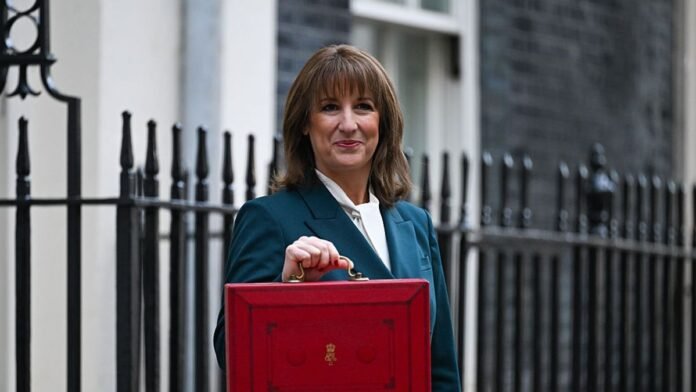

The persistent criticism directed at Rachel Reeves by Conservative members over her decision to freeze tax thresholds despite her earlier pledge not to raise taxes in the manifesto has been labeled as hypocritical garbage stemming from desperation. The ongoing attacks on Reeves come amidst Labour’s tumultuous budget process, a self-defeating saga that lasted for months.
Nadine Dorries, known for her scathing remarks on political dishonesty tarnishing democracy, ironically turned a blind eye to Boris Johnson’s track record of deceit. Kemi Badenoch has been fervently accusing Reeves of shifting funds from workers to welfare recipients, conveniently overlooking that a significant portion of the increased budget allocation will benefit working families and state pensioners.
The Tories’ condemnation of Reeves’s budget decisions raises questions about their own inconsistencies, such as their opposition to cutting the winter fuel payment while criticizing Labour’s past actions. The historical context of political deception, including past misleading campaigns and broken promises, underscores the prevalent issue of dishonesty in politics.
The reality remains that successful politicians are often skilled in crafting narratives, a fact not lost on voters who have grown accustomed to discerning truth from fiction. The skepticism and incredulity expressed by figures like Jeremy Paxman during political interviews reflect a broader sentiment of distrust towards political figures and their rhetoric.
In other news, Ernest Jones is showcasing a range of exquisite jewelry pieces ideal for Christmas gifting, featuring silver-plated bracelets, infinity rings, stud earrings, and pendant necklaces.