
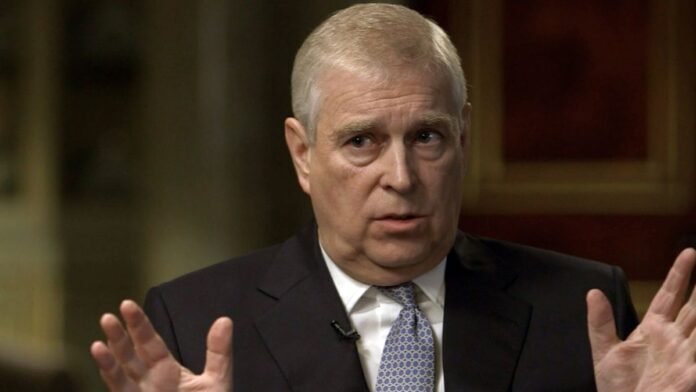

Andrew Mountbatten-Windsor found himself in a precarious situation with nine police forces investigating him. The unexpected arrest at his Sandringham residence on his birthday must have been a jolt for the man accustomed to giving orders. It has been centuries since a Royal Family member faced arrest, notably dating back to Charles I in 1647 during the Civil War.
Despite Andrew’s brother, King Charles, being unaware of the arrest beforehand, he promptly expressed unwavering support for the legal process. The Palace pledged full cooperation with the authorities, with the King emphasizing that the law must be upheld without bias.
The King’s swift response signifies the gravity of the situation, emphasizing the family’s commitment to their duties amidst the turmoil. Public scrutiny has been intense, focusing on Andrew’s past actions as a UK trade envoy, overshadowing other royal engagements.
While the Royals maintain their public appearances, questions arise about transparency within the family. Andrew’s arrest has sparked a debate on accountability, prompting a closer examination of the monarchy’s operations.
For Beatrice and Eugenie, Andrew’s daughters, the news of their father’s arrest undoubtedly brought emotional turmoil. As for Sarah Ferguson, the situation may have influenced her decision to distance herself from her ex-husband amid the ongoing legal proceedings.
The arrest of a senior royal member highlights the principle that everyone is subject to the law, raising discussions on the monarchy’s adherence to legal standards. The Royal Family’s resilience in the face of crises is evident, showcasing the effectiveness of the constitutional monarchy.
Despite the challenges, the Royals are expected to carry on with their engagements, demonstrating their commitment to serving the country. The episode has underscored the importance of upholding the rule of law within the royal household, setting a precedent for accountability and transparency moving forward.