
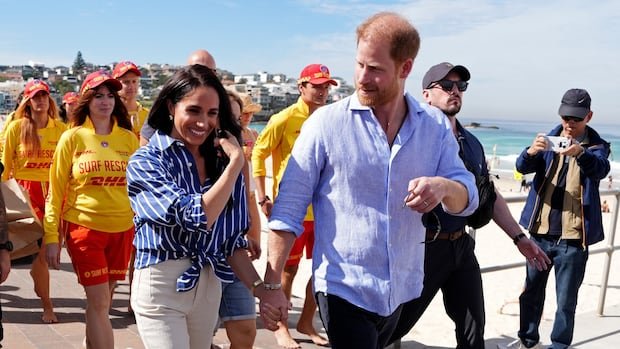

When Prince Harry and Meghan Markle come back to the UK this month, they will re-enter a country that has been discussing them for six years from a distance. Their children, Prince Archie and Princess Lilibet, are set to start school in Britain in September. Reports suggest that the couple will live privately outside London for an extended period as non-working royals.
There are already many questions surrounding the couple’s return. After their relocation to California due to a strained relationship with the British media, there is curiosity about whether the tabloids’ interest in them will diminish this time. Steven Barnett, a communications professor at the University of Westminster, highlighted the polarized portrayal of Harry and Meghan in the British press, with tendencies towards personal attacks.
The media’s coverage of Meghan has often been negative, with comparisons showing a stark contrast between her treatment and that of Kate Middleton. As the couple prepares to return to the UK, Royal commentator Afua Hagan anticipates heightened interest, describing it as a return to the “lion’s den.” However, she believes that Harry and Meghan are better equipped to handle the media scrutiny this time.
The British public’s focus may have shifted to other matters since Harry and Meghan left the country. Despite facing recent legal setbacks in privacy lawsuits against the Daily Mail, Barnett warns that the couple might face more negative coverage in the future. Their return coincides with a period of reflection for the British media following the death of a Cambridge professor, Jason Arday, sparking discussions on media scrutiny and diversity.
Nina Myskow, a former Sun columnist, drew parallels between the treatment of Meghan and the late Professor Arday, emphasizing the intense scrutiny faced by public figures. Marcus Ryder, a media diversity advocate, highlighted the lack of diversity in British media and its impact on how Black individuals are portrayed and judged.
Arday’s story has become intertwined with broader discussions on race and diversity in elite institutions, reflecting larger societal issues. Ryder equates Meghan’s experiences with these contradictions, as a Black woman navigating a historically privileged institution. With Harry and Meghan transitioning to non-working royal status and having resided in California for six years, the ongoing drama of their departure might soon lose its relevance in the media.
Ryder hopes that future coverage of the couple will reflect the positive sentiments expressed by large segments of the population, particularly among Black women, towards Meghan Markle.