
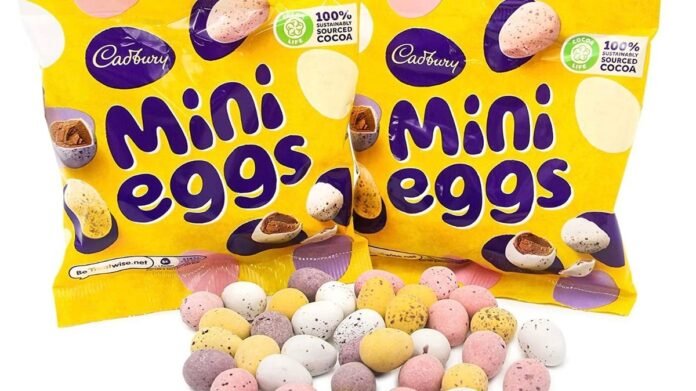

Cadbury has recently decreased the size of its Mini Eggs packaging while maintaining the same price point, leading to discontent among shoppers. The bags, which used to contain 80g of the popular Easter treat earlier this year, now only hold 74g, yet the cost remains around £2.
This practice, known as shrinkflation, involves reducing product sizes while keeping prices constant. Prices for Cadbury Mini Eggs can vary depending on the retailer, with the Cadbury website listing them at £2.36, Morrisons at £2, and Asda at £1.74. Some consumers have expressed frustration over the change, with one individual taking to social media to voice their displeasure.
Mondelez International, the company behind Cadbury, explained to The Sun that the reduction in size was necessary due to increased production costs. Rising expenses for ingredients like cocoa and dairy, along with elevated energy and transport costs, have made manufacturing more expensive. To address these challenges, the decision was made to slightly decrease the weight of the Mini Eggs bags to 74g to maintain competitiveness without compromising on taste and quality.
The Mirror reached out to Mondelez for further comment on the matter. This development follows a similar trend seen with Quality Street, where the weight was reduced from 600g to 550g during the Christmas season.
Gavin Wren, a food policy expert, drew attention to Nestle’s product weight reduction, highlighting the ongoing trend of shrinking product sizes. Nestle responded by noting that product ranges and pricing are determined based on various factors, including manufacturing costs, ingredient prices, and consumer preferences.
As debates surrounding shrinkflation continue, consumers are encouraged to stay informed about product changes and pricing strategies in the market.