
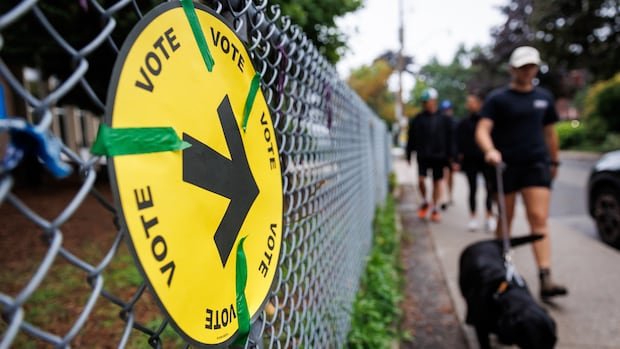

The Liberal Party is celebrating a triumphant victory after winning three byelections on Monday evening. Despite the recent wins, there remain several vacant seats that will offer a glimpse into the electorate’s sentiments in the upcoming months.
Prime Minister Mark Carney’s party secured more than 50% of the votes in each of the contested ridings in Ontario, British Columbia, and Quebec. Carney emphasized that Canadians’ support for the government’s agenda demonstrates unity among the populace.
Political analyst Lori Turnbull noted that while the Liberal victories in North Vancouver-Capilano and Beaches-East York were expected due to their historically Liberal-leaning nature, Daniel Gobeil’s win in Chicoutimi-Le Fjord reflected confidence in Carney’s trade war management. Gobeil’s selection as a candidate, being a dairy farmer, underscored the government’s commitment to supply management.
With three MPs resigning recently, there are currently five official vacancies, set to increase to six with Ontario Conservative Larry Brock’s impending resignation. The resignations signal upcoming byelections to be held.
The strategic moves in the byelection choices suggest a calculated approach by Carney’s government. By excluding Saint-Hyacinthe-Bagot-Acton, a longstanding Bloc Québécois stronghold, from the current round of votes, Carney potentially gained a spending advantage, particularly in the competitive Quebec riding of Chicoutimi-Le Fjord.
The upcoming series of byelections, including those in Quebec, Ontario, and Saskatchewan, are expected to shape the political landscape further. The Conservatives, Bloc Québécois, and NDP face challenges in defending their seats against the Liberal Party’s momentum. As the byelection campaigns unfold, the parties will navigate financial constraints and strategic campaign allocations to maximize their electoral prospects.
The byelection process unfolds as per election rules, with the Speaker notifying the chief electoral officer of vacancies and the prime minister having a window of 11 to 180 days to call for a byelection following an MP’s resignation. The timeline for the next byelection following Savard-Tremblay’s resignation in June is set to end by December 19.