
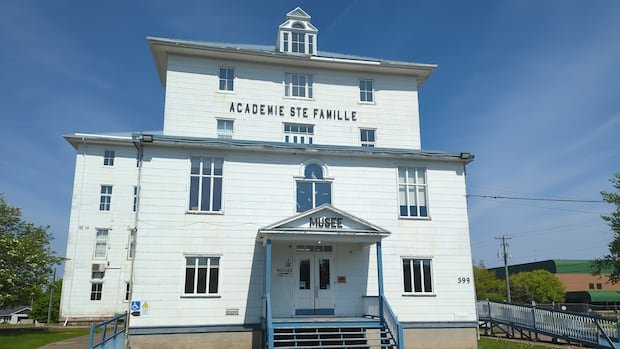

New Brunswick boasts over 100 museums and heritage sites, with Tracadie in northeastern New Brunswick once home to the Religieuses Hospitalières de Saint-Joseph, an order of nuns deeply embedded in the community’s history. This order tended to the sick, ran an orphanage, and educated children in the past. Today, their legacy lives on at the Musée Historique de Tracadie.
Initially, the nuns focused on operating a lazaretto, a hospital for lepers. Leprosy, a bacterial infection affecting various body parts, was first identified in Tracadie in 1828. The museum’s director, Erika Basque, suggested that the disease may have been introduced by Norwegian immigrants. The town’s first lazaretto was constructed in 1849 to cater to lepers from across Canada.
Despite its medical significance, the lazaretto tarnished Tracadie’s reputation in the 1800s. However, in 1943, Dr. Guy Henry Faget’s discovery of an effective leprosy treatment led to the closure of the lazaretto in 1965. The nuns’ healthcare efforts extended beyond leprosy patients to include general health services, with the lazaretto also housing a French-speaking hospital, a novelty for New Brunswick in 1896.
The museum showcases historical medical equipment, offering visitors a glimpse into the past practices of healthcare professionals. The nuns also established schools in Tracadie to address the community’s educational needs, setting up both day and boarding schools. Their educational initiatives attracted students not only from the local area but also from francophone regions outside New Brunswick.
While the Religieuses Hospitalières de Saint-Joseph continues its work in various communities, including Montreal, the order bid farewell to Tracadie in 2025 after a long history of service and education.