


Food agencies from the United Nations are alerting that hunger is anticipated to escalate in 16 nations over the coming six months. This alarming trend is attributed to ongoing conflicts, rising fuel prices linked to the conflict in the Middle East, and significant cuts in aid, all of which could drive more individuals into a state of crisis.
A report released on Friday by the Food and Agriculture Organization (FAO) and the World Food Programme (WFP) identified Sudan, South Sudan, Somalia, northern Nigeria, and Yemen as the most severely affected areas. These conditions are exacerbated by conflict, displacement, economic struggles, and extreme weather patterns.
These five nations have consistently appeared on the list since 2022. Conversely, the Palestinian territories have been downgraded one level following the ceasefire in Gaza in October 2025. However, 67 percent of Gaza’s residents still experience crisis-level hunger or worse, with the report indicating that this progress is precarious.
The latest report shows an increase in hunger hotspots from 13 in the previous update published in June, with new entries including Chad, Uganda, and regions of southern Africa and Central America, while Lebanon has been removed from the list.
In the most recent joint report covering December 2026 to May 2027, the agencies cautioned that diminishing humanitarian aid is undermining efforts to prevent disaster.
Aid allocated to the five countries with the most severe hunger threats has dropped by two-thirds between 2022 and 2025, according to Conor Elliott, a senior official at FAO’s emergencies and resilience office.
“These are significant shifts in international support,” he stated, emphasizing that budget cuts are also hindering the collection of data essential for evaluating the extent of the crisis.
-
Funding cuts for UN food programs force reductions in aid to Gazans already facing hunger
-
Surge in child hunger in Somalia as aid decreases, says Doctors Without Borders
The report indicated that armed conflict and violence are the primary drivers of hunger in 12 out of the 16 hotspots, while skyrocketing costs for food, energy, and transportation further diminish people’s ability to secure adequate nutrition.
The agencies also noted that the developing El Niño weather phenomenon could worsen the situation, potentially causing drought and extreme temperatures in southern Africa and parts of Central America, along with severe flooding in regions of eastern Africa.
“A very strong El Niño effect is expected,” warned Elliott, indicating that some areas may transition from drought to heavy rainfall in the upcoming months.

Three years after the October 7 attacks that sparked the devastating Israel-Hamas conflict, Palestinians in Gaza continue to face hunger, collapsing infrastructure, and near-daily airstrikes, despite a ceasefire agreement established a year ago aimed at restoring peace.
In Sudan, the risk of famine exists in 13 regions of North Darfur and South Kordofan until January 2027, as fighting disrupts food production, market operations, and aid distribution.
Famine risks have also been noted among displaced populations in Somalia’s Baidoa region and certain areas of South Sudan, where escalating violence has intensified an already dire humanitarian crisis.
The report indicates that the threat of famine in Sudan is expected to continue through January in 13 regions, with nearly 19.5 million people, or 41 percent of the population, experiencing crisis-level hunger or worse according to the latest national analysis. In two displacement camps in the southwest, acute malnutrition rates have surpassed the famine threshold.
In Sudan, prices for sorghum have more than doubled over the past year due to ongoing fighting and increased fuel costs associated with the Middle East conflict. Diesel prices have also risen significantly in the past year, as reported.
Drought conditions related to El Niño—an environmental phenomenon causing warming in the Pacific Ocean that disrupts weather patterns globally—have worsened the situation, impacting as much as 55 percent of cropland in Sennar and 70 percent in Gedaref, two key agricultural states in Sudan.
Beth Bechdol, FAO’s deputy director-general, shared with The Associated Press that the drought induced by El Niño presents a significant challenge for Sudan, exacerbating the effects of the conflict on food production.
Conflict and shipping challenges
According to the report, hunger in Yemen is expected to worsen as renewed fighting, which began in July, expands across multiple fronts.
The country has been embroiled in conflict since 2014 when Iran-backed Houthi rebels took control of the capital, Sanaa, leading to intervention by a Saudi-led coalition the following year.
The encirclement of the southwestern city of Taiz has led to conditions resembling a siege, displacing over 300,000 individuals since the escalation started, primarily in Taiz, Lahj, and Aden provinces. In areas controlled by the government, 1.8 million people are now facing emergency levels of hunger, an increase from 1.6 million in the previous assessment.
There has been no recent evaluation for regions controlled by the Houthis, which have become increasingly difficult for aid organizations to access amid intensifying conflict. The last nationwide assessment, which was valid until February, indicated that 18.3 million people, over half the population, were experiencing crisis-level hunger or worse.
Bechdol stated that the key barriers to delivering aid to Yemenis in need are more political than geographical, mentioning that staff from various UN agencies have faced detention. The Houthis currently hold 73 UN personnel, including eight from the UN human rights office.
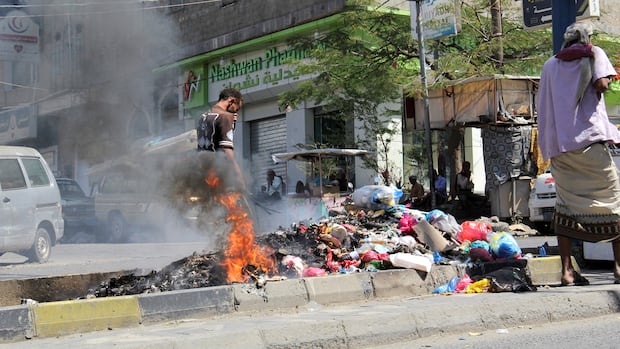
Residents of Taiz, Yemen’s third-largest city, find themselves trapped with accumulating garbage as Iran-backed Houthi militants enforce a prolonged siege, forcing locals to brave sniper fire for access to hospitals and essential services.
Yemen heavily depends on imported food and fuel, and the report cautions that assaults on shipping in the Red Sea are jeopardizing this critical supply line.
Ongoing conflicts continue to disrupt shipping routes in the Strait of Hormuz, the Red Sea, and the Black Sea.
Aid has also seen a sharp decline as significant donors retract their funding. Support for food and nutrition in the five countries facing the highest levels of concern dropped by approximately 62 percent between 2022 and 2025, and by 79 percent in Yemen. Changes among donor governments in recent years have resulted in billions of dollars being cut from humanitarian and development funding, limiting agencies’ ability to assist as many people as before, according to Bechdol.
The reliability of funding is as crucial as the total amount, as aid for farmers needs to be delivered during both planting and harvest seasons. With El Niño forecasts available, she emphasized the importance of pre-positioning seeds and safeguarding livestock before a disaster occurs, rather than merely reacting to successive crises.
“Once that window is missed, it cannot be reclaimed,” she remarked. “We are funding losses and we are funding damage.”
The agencies also highlighted Afghanistan, Haiti, the Democratic Republic of Congo, and Gaza as regions of very high concern, noting that acute food insecurity is projected to escalate in the West Bank.