
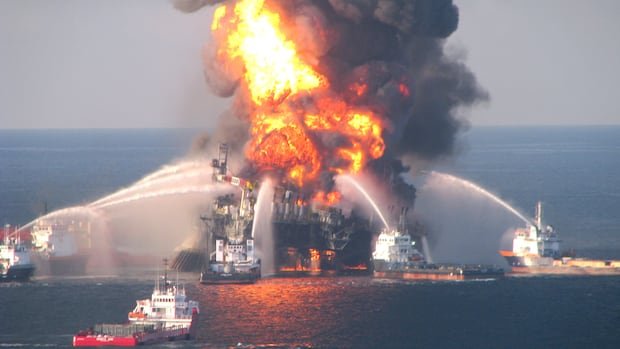

After more than 16 years since a major oil spill, a recent thorough study reveals a significant ongoing decline in marine life within the Gulf of Mexico. The explosion of the Deepwater Horizon oil rig off Louisiana’s coast in April 2010 resulted in the deaths of 11 individuals and injuries to 17 more. Over the subsequent three months, approximately 4.9 million barrels of oil were released into the Gulf, causing substantial harm to marine ecosystems.
Researchers, led by Tracey Sutton, a biological oceanographer from the Guy Harvey Oceanographic Research Center at NOVA Southeastern University in Fort Lauderdale, have been investigating the spill’s aftermath. They observed a drastic decrease in certain species, with declines ranging from 60 to 85 percent in the immediate years following the disaster. A recent study published in the Proceedings of the National Academy of Sciences combined additional eight years of research data, indicating that the marine life situation has not improved over time.
The persistence of harmful components like polycyclic aromatic hydrocarbons (PAHs) from the spilled oil is believed to be a major factor in the ongoing decline. These toxic compounds have been found in the muscle tissue and eggs of deep-sea fish and squid, potentially impacting their health and ability to reproduce. Environmental experts not involved in the study confirm that the spill’s effects are likely responsible for the decline in fish populations, considering factors like temperature, food availability, and oxygen levels.
The diminishing marine life not only affects individual species but also has broader implications for the entire Gulf ecosystem, particularly its role in carbon capture. The deep pelagic zone, where Sutton’s team conducted their surveys, hosts a variety of marine life critical for transferring energy and nutrients between surface and deep waters. The decline in these species jeopardizes the efficient carbon absorption process in the oceans, a vital mechanism for mitigating excess CO2 in the atmosphere.
As discussions around expanding offshore drilling continue, experts warn of potential risks to marine environments, emphasizing the need for sustainable practices to prevent future ecological disasters. Despite promised safeguards, concerns persist about the long-term consequences of oil transportation on marine ecosystems, underscoring the importance of responsible resource extraction to protect ocean health.