
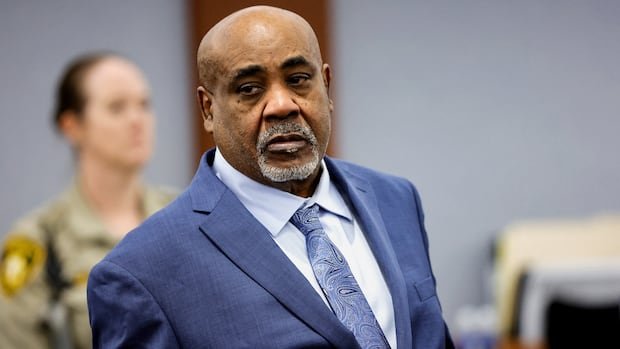

A prosecutor informed jurors during the commencement of a murder trial in Clark County, Nevada, that a former leader of a street gang masterminded the drive-by shooting of renowned hip-hop artist Tupac Shakur in Las Vegas in 1996. The prosecutor alleged that Duane (Keffe D) Davis, aged 63, organized the attack as payback for the assault on his nephew. Davis, facing a murder charge with a deadly weapon, has entered a plea of not guilty. The incident, a pivotal moment in rap history, saw Shakur, aged 25, fatally shot near the Las Vegas Strip.
According to the prosecutor, Binu Palal, Davis ensured the shooters were armed and prepared for the retaliation, as revealed by Davis himself in recent public statements. However, defense attorney Michael Sanft argued that after 30 years, there is scant evidence to support the case against Davis, casting doubt on his credibility and the veracity of his accounts.
The killing of Shakur amplified the perception of violence within hip-hop culture during the era of “gangsta” rap, fueling the East Coast-West Coast rap rivalry. Davis, described as the orchestrator behind the shooting, allegedly sought vengeance following a confrontation at the MGM Grand casino between Shakur’s entourage and the South Side Compton Crips, led by Davis, and the Mob Piru gang associated with Marion (Suge) Knight and Death Row Records.
Davis purportedly provided the murder weapon to accomplices in a white Cadillac, leading to the fatal encounter with Shakur and Knight’s vehicle. While Shakur succumbed to his injuries, Knight sustained minor wounds. Davis’s revelations in interviews and his book reignited interest in the case, though the identity of the actual shooter remains undisclosed.
The trial, presided over by Judge Carli Kierny, is anticipated to last up to six weeks and may feature testimony from Marion (Suge) Knight, the only living witness to the shooting, who is serving a prison sentence for an unrelated conviction. Despite uncertainties surrounding the case, Tupac Shakur’s legacy endures, with fans like O’Ron Gordy expressing a desire for closure and justice in the tragic events that unfolded in 1996.