
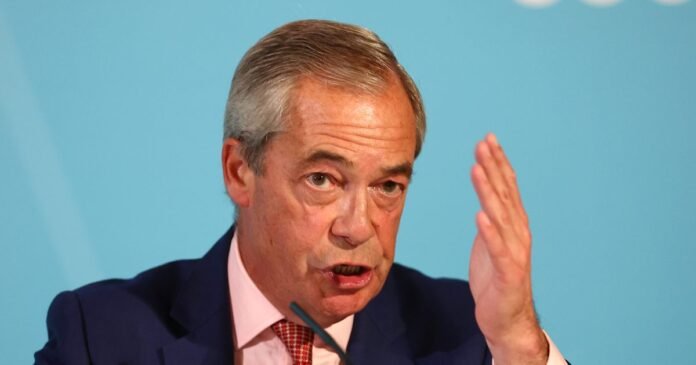

Nigel Farage faces criticism for his proposed changes to migrant citizenship, which could strain the NHS. Farage, the head of Reform UK, announced plans to eliminate indefinite leave to remain (ILR) if he gained power, potentially impacting hundreds of thousands of settled individuals in the UK. In addition, he proposed denying non-UK citizens access to benefits and requiring migrants seeking British citizenship to renounce other citizenships.
Farage targeted approximately 800,000 individuals eligible for ILR between 2020 and 2024, citing a surge in legal migration similar to the “Boris wave” during Boris Johnson’s term as Prime Minister. After Brexit, the UK experienced a spike in net migration from non-EU countries, which later declined following stricter immigration regulations.
Downing Street criticized Reform’s proposals as unfeasible and divisive, rather than constructive. Unions representing NHS and care workers expressed concern, highlighting the essential role of overseas staff in healthcare. They condemned the plans as cruel and warned of catastrophic consequences for public services.
Reform suggested introducing an ‘acute skills shortage visa’ for critical roles, including in social care, without specifying caps on the program. However, doubts emerged over the cost-saving claims made by Reform, as well as discrepancies in eligibility for welfare benefits.
Various stakeholders, including the Mayor of London Sadiq Khan, raised objections to Farage’s immigration policies, emphasizing the contributions of migrant workers to society. Amid ongoing consultations on immigration reforms, the government is considering stricter requirements for settlement and citizenship, including extended waiting periods and enhanced language criteria.
As the debate continues, concerns persist over the potential impact on healthcare services and the overall workforce, with critics warning of detrimental effects on both the NHS and the country’s reputation as a welcoming destination for skilled professionals.