
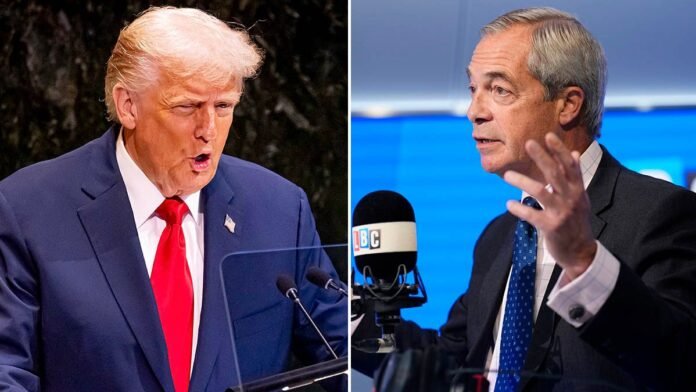

Nigel Farage faces criticism for his non-committal stance on Donald Trump’s controversial link between paracetamol and autism. The Reform UK leader emphasized the ongoing nature of scientific understanding, refusing to align with medical experts cautioning against such connections. Health Secretary Wes Streeting condemned Farage’s remarks, labeling him as a deceptive figure in British politics.
Trump’s assertion in the Oval Office regarding a potential correlation between Tylenol (paracetamol in the UK) and autism triggered swift backlash from experts and medical authorities due to its unsubstantiated nature. When questioned during an LBC interview on his views regarding Trump’s claims, Farage evaded definitive statements, citing past errors in medication safety assessments like thalidomide.
Farage suggested Trump’s personal experiences with autism in his family could influence his stance, distancing himself from taking sides with medical professionals on the matter. He emphasized the uncertainty in scientific conclusions, indicating a reluctance to align with any particular viewpoint.
Critics, including Health Secretary Streeting and Liberal Democrat Health spokeswoman Helen Morgan, lambasted Farage for potentially endorsing Trump’s anti-science agenda in the UK. They accused him of irresponsibility and prioritizing allegiance to Trump over sound medical advice for pregnant women.
In response to Streeting’s call for pregnant women to disregard Trump’s assertions, medical experts reiterated the lack of evidence linking paracetamol use during pregnancy to autism. Dr. Steven Fleischman cautioned against oversimplifying complex neurological issues in children, highlighting the absence of conclusive evidence supporting the alleged link. Dr. Monique Botha emphasized the safety of paracetamol as a pain relief option for pregnant women and warned against fearmongering that could hinder proper healthcare access.