

A recent report on climate change suggests that Canadians should anticipate a future with temperatures up to 5 degrees Celsius higher. This report, known as the second edition of Canada’s Changing Climate Report, emphasizes the role of human activities, particularly the burning of fossil fuels, in driving climate change. Released by the federal government, the report examines potential scenarios for Canada based on the fulfillment of global climate commitments.
Nathan Gillett, a research scientist involved in the report, highlighted the significance of current emissions levels in shaping future temperature trends. The report warns that if current climate policies persist globally, Canada is likely to experience heightened warming, leading to significant environmental transformations.
The report predicts a temperature increase of 5 degrees Celsius by the end of the century, with some regions, such as Nunavut, facing even more drastic warming. Glaciers in western Canada are expected to lose over 75% of their ice, while the central Arctic Ocean may become ice-free in most Septembers.
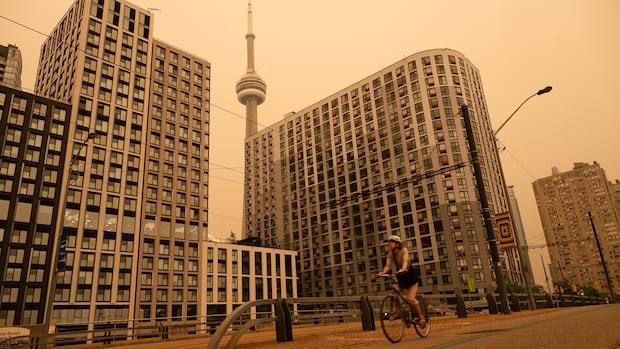
Southern Canada is projected to face challenges such as prolonged and severe summer droughts, as well as an increase in flash flooding and atmospheric rivers. The report also notes an increase in the length of the fire season across Canada, with further lengthening anticipated as global temperatures rise.
If countries fail to uphold their climate commitments, Canada could experience a temperature increase of 6.9 degrees Celsius in the coming decades. However, achieving net-zero greenhouse gas emissions by 2075 could stabilize Canada’s climate, limiting the average temperature rise to 3.5 degrees Celsius.
Despite the alarming projections, the Canadian Climate Institute stresses that there is still room to alter this trajectory. The institute emphasizes the importance of reducing emissions to mitigate the impacts of climate change, which could save lives, protect communities, and preserve the economy.
In response to the report, a climate advocacy group urged greater emission reduction efforts, citing recent extreme weather events like the flash floods in Toronto. Canada’s environment minister reaffirmed the government’s commitment to combatting climate change and achieving net-zero emissions by 2050.