
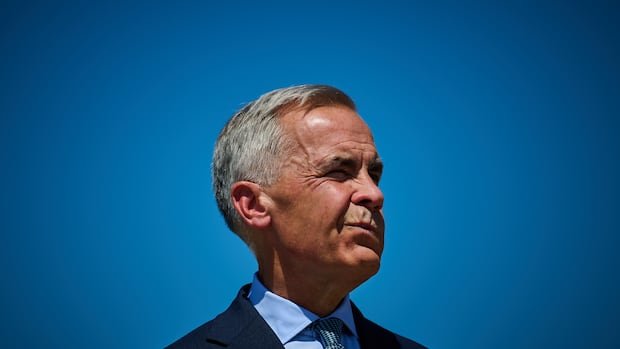

Prime Minister Mark Carney described the ongoing negotiations with the U.S. to avert impending tariffs as crucial and challenging. Carney intends to engage with his American counterpart within the next 48 hours to secure a mutually acceptable resolution.
While addressing the press in St. John’s on Monday, Carney refrained from divulging specifics of the discussions aimed at sidestepping U.S. President Donald Trump’s proposed Section 338 tariffs on a significant value of Canadian products. He emphasized the sensitivity and intensity of the negotiations and stressed the need to maintain confidentiality.
In response to a query about potential retaliatory actions if an agreement is not reached, Carney asserted readiness for any eventuality. He mentioned having contingency plans in place to address various outcomes.
Trade Minister Dominic LeBlanc and chief negotiator Janice Charette have been actively engaging with U.S. Trade Representative Jamieson Greer to not only deter the impending Section 338 tariffs but also negotiate reduced tariffs under Section 232 on key goods such as steel, aluminum, vehicles, and lumber in exchange for Canadian concessions.
Following an extended meeting with Greer and U.S. Commerce Secretary Howard Lutnick, LeBlanc and Charette, it was unclear whether further ministerial-level discussions were planned. Despite the uncertainty, Canadian officials may have another meeting with Greer before Carney’s anticipated conversation with Trump ahead of the tariff deadline on Wednesday.
The negotiation process remains intricate as both parties strive to secure favorable terms. The U.S. is seeking the reinstatement of American spirits in Canadian stores and the removal of retaliatory tariffs on U.S. vehicles, among other demands. Conversely, Canada is pushing for the elimination of the threatened Section 338 tariffs and substantial tariff reductions for sectors adversely affected by previous U.S. levies.
While progress has been acknowledged in discussions by Erin O’Toole, a member of the prime minister’s advisory committee, uncertainties persist regarding Trump’s acceptance of revised tariff rates. O’Toole emphasized the importance of reaching a fair agreement that safeguards Canadian interests and the economy.
In the event that Trump’s proposed tariffs are implemented, Canada is prepared to respond accordingly. O’Toole highlighted the detrimental impact of tariff escalations on both economies and emphasized the necessity of avoiding retaliatory trade conflicts.