
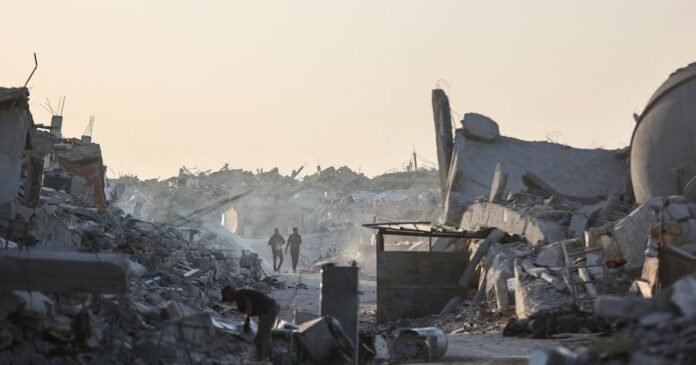

British troops are being deployed to the Middle East to assist in maintaining peace in Gaza. This decision follows past conflicts in Iraq and Afghanistan, adding complexity to the current situation. The region is plagued by ongoing tensions involving various factions, including Lebanese Hezbollah, pro-Iranian militia, Yemeni rebels, and Hamas in Gaza.
The deployment, led by a two-star UK General, will primarily focus on logistical support rather than direct involvement in peacekeeping efforts. However, the volatile environment poses a risk of entanglement in the conflict, which could hinder progress towards peace. The history of British intervention in the region dates back to the early 20th century, with past efforts to establish stability and address conflicts between Jews and Arabs.
Despite the challenges, Israel sees the UK’s involvement as beneficial for promoting peace and reconstruction. British troops are known for their expertise in logistics, problem-solving, and counter-insurgency, qualities that could prove valuable in Gaza. However, concerns remain about the potential for mission creep and the risk of being drawn into a larger conflict.
Reflecting on past deployments in Afghanistan and Iraq, there is a cautious approach to managing the scope of the mission to avoid escalation. The possibility of increased UK military presence in Gaza raises concerns about the potential consequences and the need to prioritize the safety of soldiers. The complexities of the situation highlight the importance of strategic decision-making to navigate the challenges ahead.