
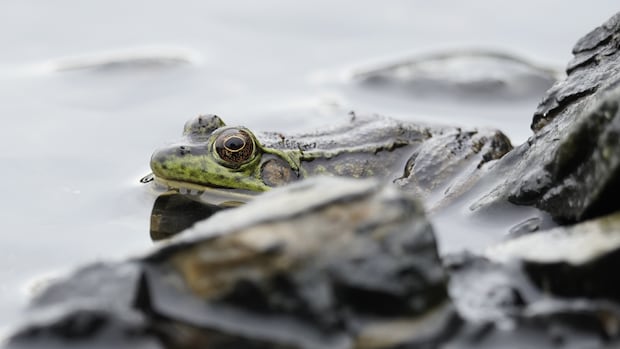

A lethal fungal pathogen that has been devastating amphibian populations globally has now reached Manitoba, although its impact may not be as severe in the Prairies—at least not yet.
Initial laboratory findings indicate that Batrachochytrium dendrobatidis, commonly referred to as chytrid, has been detected in frogs and toads collected this year from Winnipeg and various locations in western Manitoba, according to Jackie Tran, a graduate student at Brandon University.
“I needed some time to process the initial shock,” Tran remarked, having shared these findings at a seminar organized by the Saskatchewan Prairie Conservation Action Plan on Tuesday.
“This follows the same trend seen across the continent. It is widespread.”
Chytrid is known to compromise the immune systems of amphibians, leading to organ failure. It has been linked to significant declines in frog populations in various regions around the world.
Until now, chytrid had been confirmed in surrounding regions but not within Manitoba itself, with reports from the Northwest Territories, North Dakota, Minnesota, and northwestern Ontario—specifically in Kenora and Grassy Narrows. Although Saskatchewan recorded one case two decades ago, Tran noted that uncertainties remain about that instance.
The relative lack of the pathogen in Saskatchewan and Manitoba does not imply that it wasn’t present in the Prairie provinces previously.
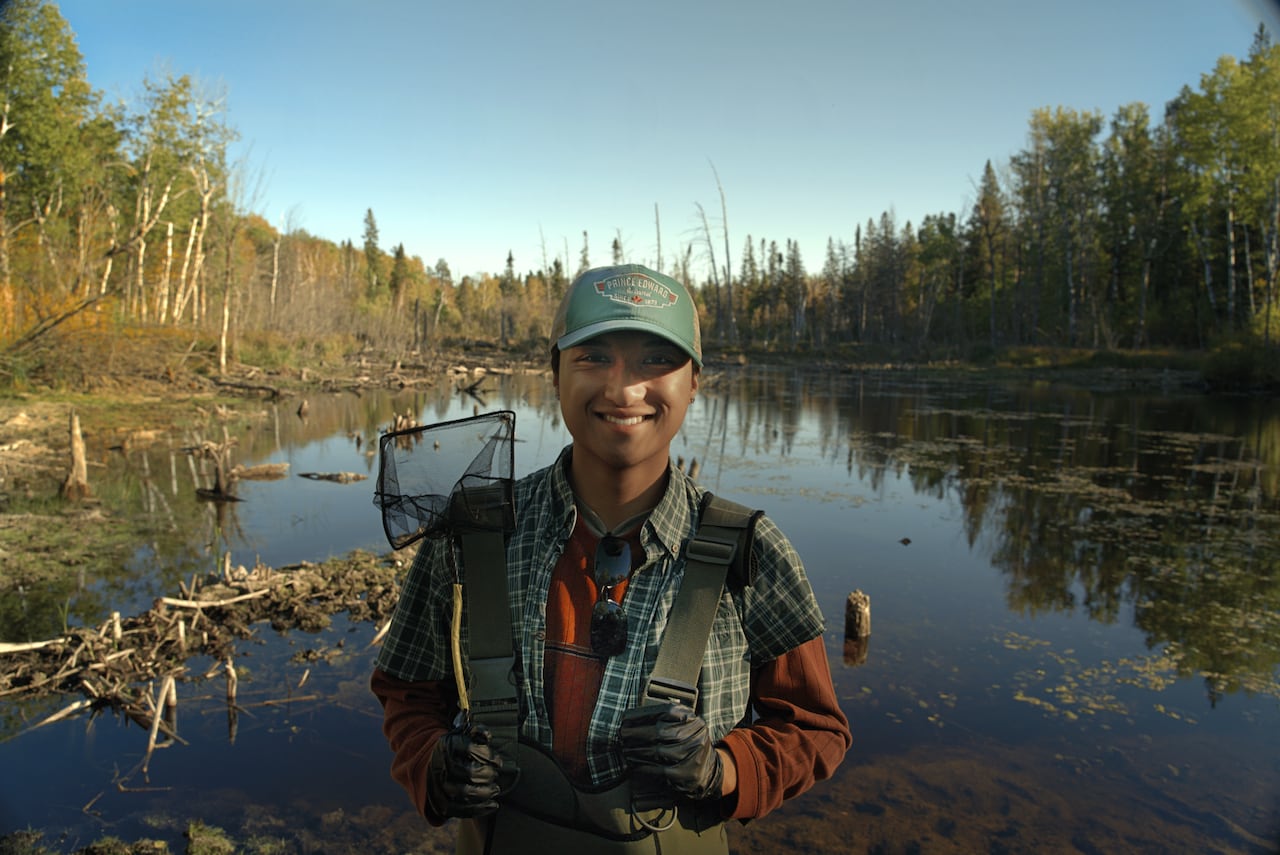
Jackie Tran, a master’s student at Brandon University, beside a wetland in Sandilands Provincial Forest on October 1. (Bryce Hoye/CBC)
Tran’s discovery this year highlights a “low surveillance effort” in both provinces, coupled with a shortage of published or accessible data, he explained.
In fact, half of the locations he sampled for chytrid this spring tested positive, indicating it may be even more prevalent in Manitoba than he initially thought.
-
Researchers investigate Prairie wetlands for indications of ‘epidermal epidemic’ in Manitoba frogs and salamanders
-
‘Deadliest disease in history’ eradicates 90 species of frogs and toads
Tran’s laboratory analysis confirmed the presence of the pathogen in nearly 15 percent, or one in seven, of the 91 frogs and toads that he swabbed during the spring field season. Positive tests included wood frogs, northern leopard frogs, Canadian toads, and boreal chorus frogs.
Chytrid was detected in various locations, including the Assiniboine Forest in Winnipeg, Turtle Mountain Provincial Park in southwestern Manitoba, Spruce Woods Provincial Park, the Brandon Hills Wildlife Management Area, and another undisclosed site in western Manitoba.

Tran swabs a gray tree frog last spring as part of his research. (Submitted by Jackie Tran)
He is still awaiting results from frogs in the Nutimik and Falcon Lake areas.
“Jackie’s surveys are crucial for bridging a significant geographical gap in surveys for [Batrachochytrium dendrobatidis] in amphibians across Canada,” Tran’s graduate supervisor, associate professor Pamela Rutherford, stated during a CBC News interview on Tuesday.
The symptoms caused by chytrid resemble something out of a horror film: skin thickens, turns white, and eventually flakes off. This is followed by lethargy as organ failure occurs.
However, none of the frogs and toads infected with chytrid in Manitoba displayed these visible signs of illness.

A frog rests along the shore of a lake near the Manitoba-Ontario border in September. (Bryce Hoye/CBC)
This pattern has also been observed in New Brunswick, Quebec, Ontario, and parts of British Columbia, where chytrid is present but has not yet led to widespread mortality or disease, according to Lenny Shirose.
“While we occasionally see individual animals succumbing to chytridiomycosis, the alarming symptoms seen in other regions around the world have not yet appeared here,” said Shirose, a wildlife biologist at the Canadian Wildlife Health Cooperative based at the University of Guelph.
-
Interest in Manitoba’s reptile and amphibian project dwindles, says biologist
-
Frogs are dying, and Korea is being blamed
“We must understand why…. Complacency is not an option.”
According to the International Union for Conservation of Nature’s “red list,” a quarter of all freshwater species are at risk of extinction worldwide. This list indicates that 41 percent of amphibian species globally face the threat of extinction, with disease being a significant factor in these declines.
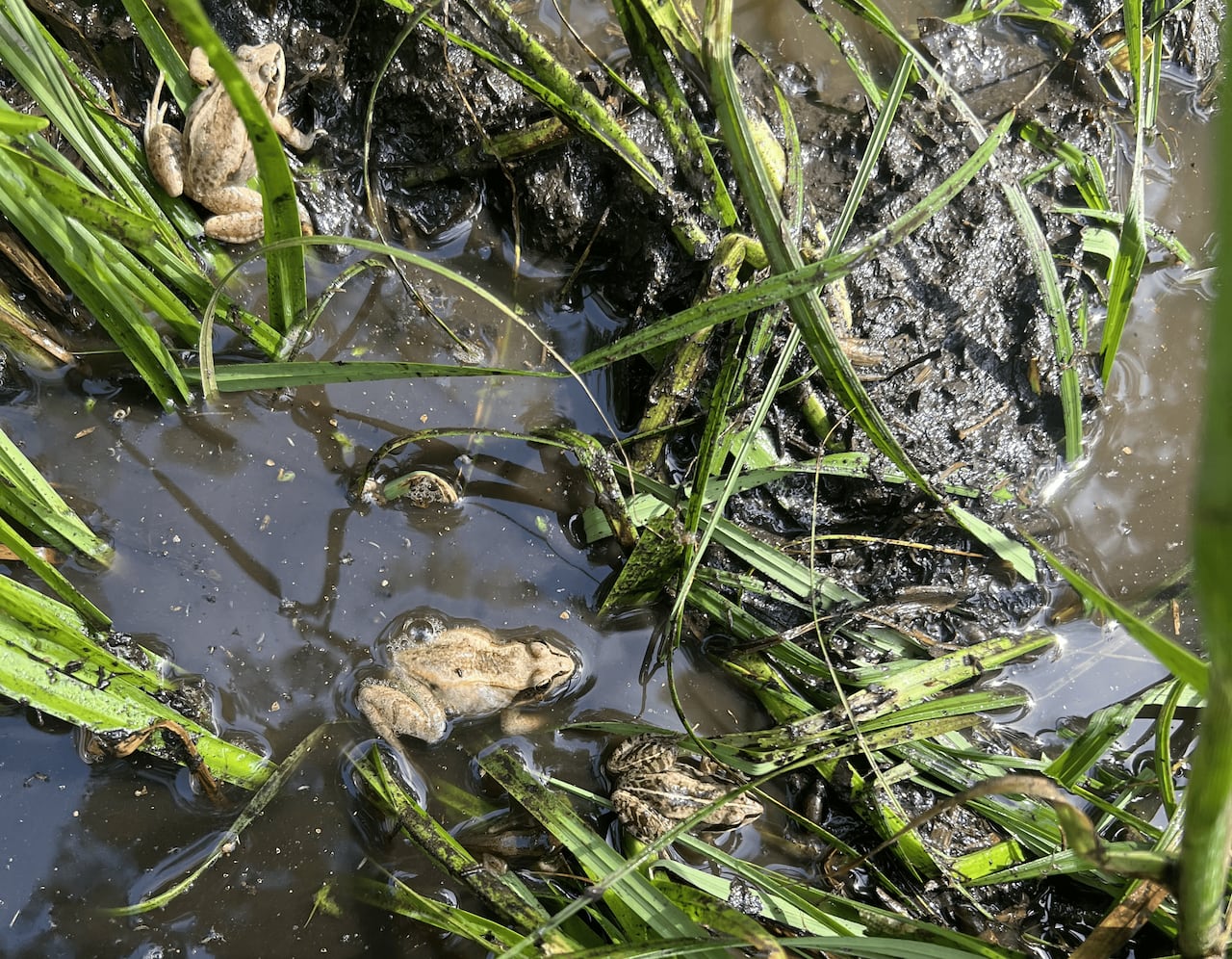
Tran surveyed a variety of the 16 amphibian species native to Manitoba, including wood frogs, as depicted here in a wetland. (Submitted by Jackie Tran)
The prevailing theory as to why chytrid is not causing overt, severe effects in Canada is that the strain or strains present may be less virulent, according to Shirose.
The introduction of a more aggressive and rapidly spreading strain “could alter everything,” which is why ongoing research like Tran’s is essential, Shirose added.
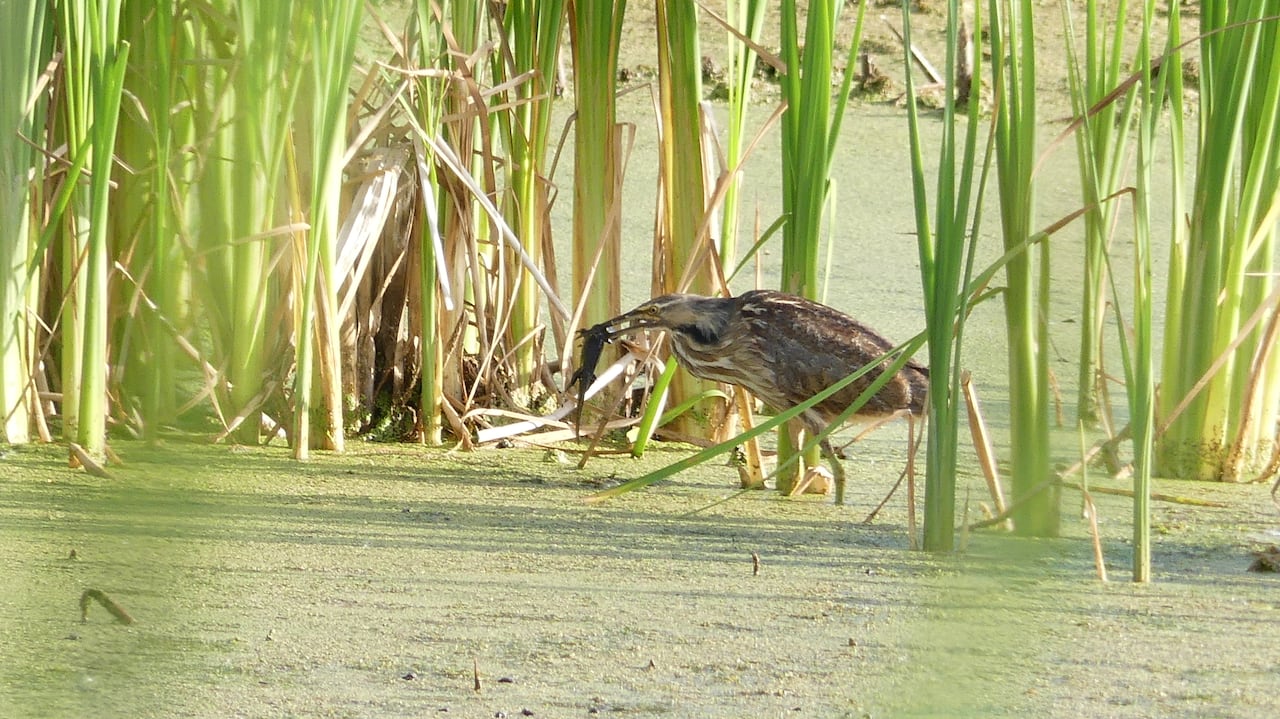
An American bittern preys on a barred tiger salamander. (Bryce Hoye/CBC)
“Should that occur, we would have to treat it as if a completely new disease had arrived, necessitating efforts to isolate and eliminate it before it establishes a foothold,” stated Shirose, who coordinates the Canadian segment of the Student Network for Amphibian Pathogen Surveillance (SNAPS).
A research team based at the Wilder Institute and Calgary Zoo is conducting field trials that indicate young leopard frogs may be able to be vaccinated against chytrid.
This is encouraging news, especially as Tran’s models predict that climate change could exacerbate the spread of the pathogen.
“Given that amphibians and this pathogen are intricately linked to their ecological needs, climate shifts could lead to more amphibians and [chytrid] congregating in the same habitats, thereby increasing the likelihood of exposure,” he explained.
Tran, Shirose, and their colleagues at SNAPS are part of a continent-wide initiative to identify the chytrid strain found in Manitoba, Batrachochytrium dendrobatidis, as well as Batrachochytrium salamandrivorans.
The latter has been wreaking havoc on salamander populations in Europe, and there are concerns it may spread to North America.
To respond to either strain, it is essential to know their locations. This is challenging without a long-term provincial surveillance system.
“Our monitoring coverage is below the federal and North American averages. We need increased interest in this research to address that,” Tran stated.

A blue-spotted salamander emerges from beneath a woodpile in northwestern Ontario last summer. The fungal infection Batrachochytrium salamandrivorans has not yet been confirmed in North American salamanders. (Colby McGilvray/CBC)
“Habitat degradation, pesticide use, pollution, and other factors are already impacting their environments. We are already pushing them to their biological or physiological limits,” he noted.
“When you add the disease factor, which requires more energy to fend off the pathogen, they simply cannot cope.”

Brandon University researchers are investigating Manitoba wetlands for frogs, toads, and salamanders, hoping to uncover signs of a fungal infection that threatens amphibians globally.
Tag: rewrite-pending