

At Richfield Bowl near Flint, Michigan, the atmosphere is bustling with the sounds of bowling balls and crashing pins as enthusiasts engage in serious strikes, spares, and splits. Scott Holmes expressed support for President Donald Trump’s efforts to retain jobs in America and prevent outsourcing, citing his son’s recent job loss to Africa. On the other hand, his teammate Dick Hunt highlighted concerns that citizens ultimately bear the brunt of the president’s tariffs through increased costs.
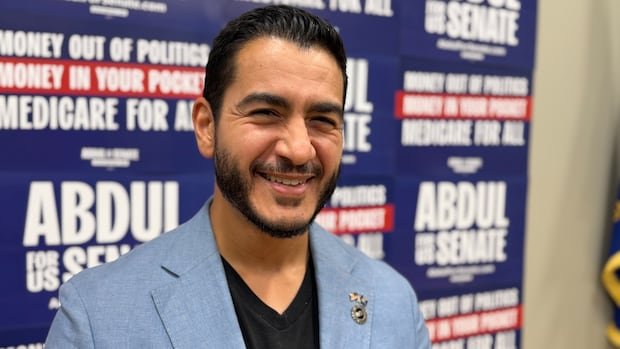
Michigan, a key player in the auto industry, is heavily impacted by the ongoing trade conflict. With Michigan households facing significant tariff costs, the upcoming U.S. Senate election is overshadowed by the escalating trade tensions. Democratic candidate Abdul El-Sayed, capitalizing on public discontent, criticized Trump’s trade policies and emphasized the negative impacts on consumers. In contrast, Republican nominee Mike Rogers aligned with Trump’s trade objectives, citing Canadian reluctance in trade negotiations.
The trade war’s influence on voter decisions remains mixed in Genesee County. While some like Carl Olson believe things will stabilize, others like Joan Castor express strengthened opposition to the Republican Party due to the tariffs. Matt Zastrow’s focus remains on work and housing issues, leaning towards supporting the Republican candidate based on his approval of Trump’s performance. Industry players are cautious in engaging politically, emphasizing the need to mitigate uncertainty and prioritize economic stability amidst the growing trade tensions.