
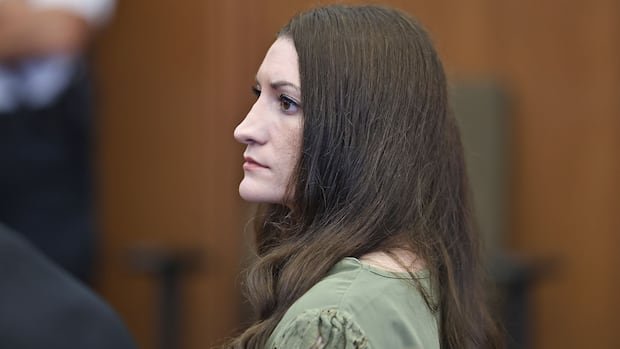

The murder trial of Lindsay Clancy has been declared a mistrial by the judge after an emergency appeal from the defense was rejected, concluding a significant chapter in the case that has drawn widespread attention.
Judge William Sullivan announced the mistrial on Friday afternoon, citing a deadlock in the jury’s decision-making process after they failed to reach a unanimous verdict despite multiple attempts. He commended the jurors for their dedication and effort over seven days of deliberation before dismissing them.
Clancy, her family, and the jury remained composed during the judge’s announcement. Defense attorney Kevin Reddington expressed disappointment, stating that Clancy deserved acquittal and was visibly distressed following the mistrial.
Following the judge’s decision, Clancy’s family left the courthouse without making any statements to the press. Clancy’s ex-husband, Patrick Clancy, who had previously expressed forgiveness towards her, emphasized the emotional toll of the trial in a statement released by his attorney.
Plymouth County District Attorney Timothy Cruz refrained from immediate decisions regarding a retrial, emphasizing the pursuit of justice for Clancy’s deceased children. The trial has sparked public interest, sparking discussions on maternal mental health and postpartum psychosis.
Clancy, who admitted to the killings but claimed lack of criminal responsibility due to her mental health condition, faces three counts of first-degree murder. The defense plans to request a rare declaration of not guilty at a hearing scheduled for September 29.
The trial took a dramatic turn on Thursday when a single juror’s refusal to follow instructions on reasonable doubt led to a deadlock. Tensions escalated as legal teams debated the next steps, with Reddington asserting the importance of a fair and unbiased jury.
Despite the mistrial, the case continues to captivate the public, drawing attention to mental health issues and legal complexities surrounding the tragic events. The judge’s handling of the proceedings and the jurors’ responsibilities have been scrutinized, highlighting the challenges of seeking justice in such emotionally charged cases.