
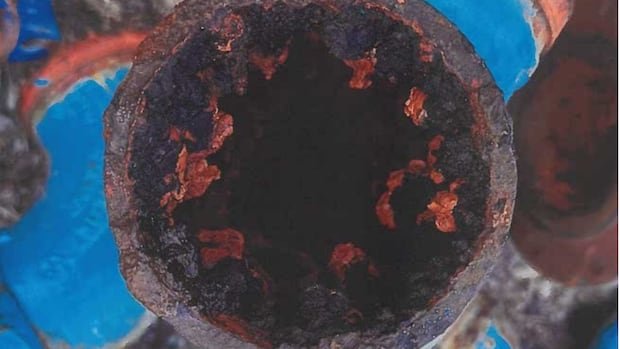

The federal government has given the green light for funding to enhance underground water and sewer infrastructure in BehchokÇ«Ì, N.W.T., as confirmed by local authorities. The allocated funds are specifically designated for Rae, while a separate request for similar upgrades in Edzo is still awaiting approval.
Residents of the community have been anticipating this funding for years, as freezing pipes have caused numerous households to lose access to running water during past winters. Chief Bertha Rabesca Zoe of BehchokÇ«Ì expressed the significant impact of the federal funding, emphasizing the pressing need for improvements.
Reflecting on the challenges faced, Chief Rabesca Zoe mentioned the severe water issues experienced over the past year, affecting not just Rae but also Edzo. The community government is committed to advocating for the funds required in Edzo, with plans already in place for the project, which is expected to be shovel-ready once approved.
Pushp Seth, the senior administrative officer of BehchokÇ«Ì, refrained from disclosing the exact funding amount until a formal contribution agreement is finalized in the coming weeks. The community’s application for the funds was submitted two years ago and has been diligently followed up on, with support from the territorial government.
Additionally, the federal government has approved funding for a water intake study and upgrade in Rae, given the aging infrastructure. The funds originate from the Canadian Housing Infrastructure Fund (CHIF), established in 2024 to bolster water and solid waste infrastructure nationwide, with the Northwest Territories receiving a total allocation of $74.2 million over a decade.
Municipalities and communities seeking funding from the CHIF must commit to climate-related initiatives such as bolstering resilience against wildfires and permafrost thaw. BehchokÇ«Ì officials are now focused on analyzing funding requirements, finalizing design plans, and issuing proposals, with construction anticipated to commence next year, potentially lasting one to two years based on the project design.