
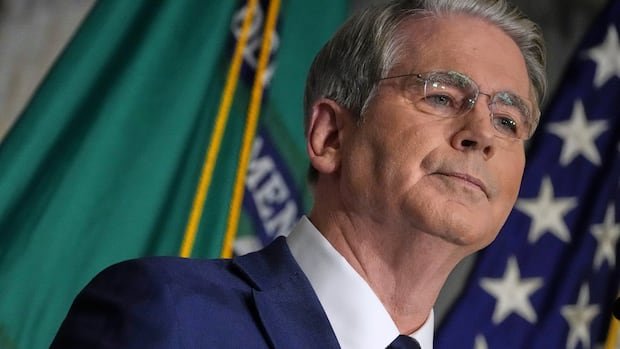

The Trump administration declared an expansion of secondary sanctions on entities and countries maintaining business links with Iran. Treasury Secretary Scott Bessent introduced what he called an “economic D-Day” to pressure countries to sever ties with Iran or face exclusion from the dollar-based financial system. The U.S. Treasury Department identified and targeted Iran’s financial networks used for oil smuggling and sanctions evasion, imposing sanctions on various sectors and entities supporting the Iranian economy.
Although China has been a major purchaser of Iranian oil, the U.S. has intensified efforts to restrict Chinese transactions without targeting larger Chinese banks involved. Iran responded to the new economic measures with threats of military action and reduced oil exports from the Gulf. Iranian officials vowed to withstand U.S. sanctions, warning of potential counterattacks if Iran’s infrastructure is endangered.
As the U.S.-Iran conflict nears six months, global energy prices have risen, diplomatic resolutions have stalled, and shipments through the Strait of Hormuz remain disrupted. President Trump’s approval ratings have declined, with only 33% of Americans supporting his actions. The ongoing sanctions against Iran focus on limiting oil revenues, aviation and cryptocurrency activities, military procurement, and funding for IRGC-affiliated businesses. Despite the sanctions, Iran has managed to evade restrictions by establishing new entities and vessels.