
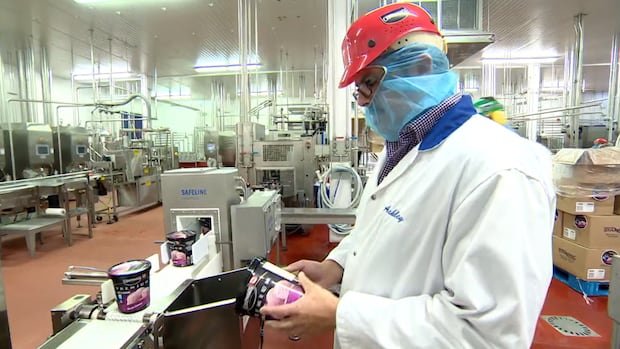

Chapman’s Ice Cream, an Ontario-based ice cream company, has announced plans to substitute over 70% of its American ingredients with Canadian or non-U.S. sources without raising prices for the next two years. The move comes in response to the ongoing trade tensions between Canada and the United States.
CEO Ashley Chapman revealed that the company initiated the search for alternative suppliers in March 2025, following the announcement of tariffs by the Trump administration. Chapman emphasized the company’s commitment to maintaining stable prices for its ice cream until March 2028.
A significant aspect of the transition involves the production of sugar cones, a product not locally manufactured in Canada. To address this, Chapman’s partnered with Original Foods, a company based in Dunville, Ontario, to establish a Canadian cone line. President Steeve Tremblay expressed satisfaction in keeping jobs within Canada and fostering local manufacturing partnerships.
The collaboration between Chapman’s and Original Foods has already been solidified, with equipment procurement underway. However, regulatory hurdles related to Canada’s electricity registration process have caused delays. Tremblay intends to reach out to other Canadian businesses to promote further local collaborations.
In addition to sourcing sugar cones domestically, Chapman’s is also relocating the production of wafers for its ice cream sandwiches to Canada. The company is diversifying its ingredient sources by obtaining almonds from Australia and cherries from Chile.
Chapman highlighted the positive impact of the trade dispute, noting that it prompted Canadian companies to reassess their domestic production strategies. He emphasized the surprising affordability of sourcing ingredients from countries like Australia, leading to cost savings for the business.
Chapman assured consumers that the company remains committed to using 100% Canadian dairy in its ice cream products. The company is actively working towards enhancing production efficiency to manage costs effectively, aiming for a successful transition amid the evolving trade landscape.