

Canadian negotiators are concerned about the impending implementation of new U.S. tariffs on Wednesday. Ottawa is facing challenges in convincing Washington to alleviate existing sectoral tariffs and persuading provinces to lift restrictions on American alcohol, according to sources familiar with the negotiations.
Negotiations are escalating, with Canada-U.S. Trade Minister Dominic LeBlanc meeting virtually with U.S. Trade Representative Jamieson Greer for the third time in less than a week. The goal for Ottawa is to secure a “comprehensive agreement” with the U.S., aiming for the removal of new 50 percent tariffs on nearly $28 billion worth of Canadian goods set to take effect soon. Additionally, Ottawa seeks a reduction in the existing sectoral tariffs affecting industries like steel, aluminum, auto, and lumber.
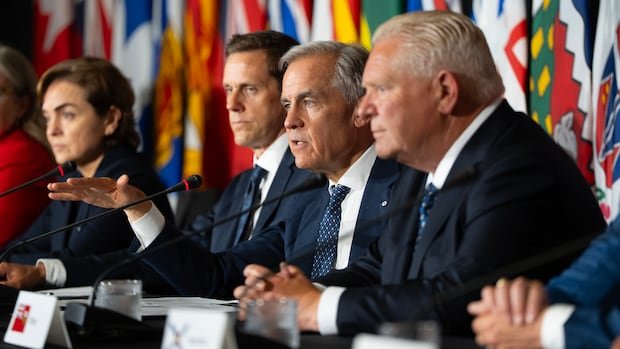
It is crucial for provinces to support any agreement, including the reinstatement of American alcohol sales, which the Trump administration views as a crucial point in the negotiations. However, disagreements persist as the U.S. has not shown willingness to significantly lower existing sectoral tariffs. Provinces are reluctant to lift alcohol bans without tariff relief impacting their industries, leading to concerns that a final deal may be elusive unless provincial opposition softens.
Provinces have been informed that concessions are necessary to address U.S. concerns over provincial bans on American alcohol, dairy import quotas, and retaliatory tariffs on U.S. autos. Resolving these disputes is a prerequisite to prevent the imposition of tariffs as early as Wednesday.
Among the sticking points, the dairy industry stands out with Quebec emphasizing the importance of preserving supply management. The U.S. has repeatedly criticized Canada’s dairy market access. Meanwhile, British Columbia insists that softwood lumber tariffs must be part of the trade discussions, as it remains a critical issue for the province.
To achieve a unified approach, Ottawa stresses the need for provincial cooperation. The U.S. seems unwilling to extend the tariff deadline, highlighting the urgency for provinces to align quickly. Despite challenges in reaching a consensus among the various Canadian governments, efforts are underway to maintain a cohesive strategy in dealing with the trade negotiations.