
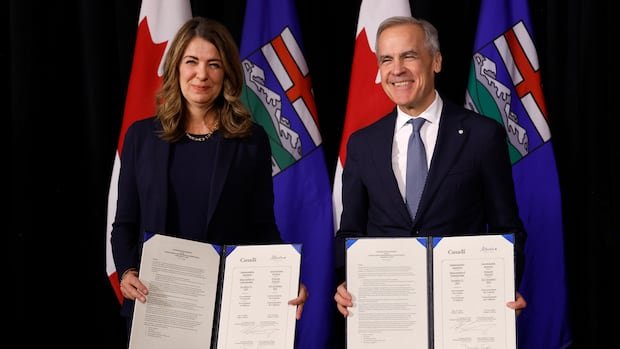

A coalition representing multiple First Nations in British Columbia is urging the Canadian and Alberta governments to stop pushing forward with the West Coast pipeline project, stating that expanding the oil sector will hasten climate change and environmental disasters.
In a letter directed to Prime Minister Mark Carney and Alberta Premier Danielle Smith, the Union of British Columbia Indian Chiefs emphasized the far-reaching negative impacts of boosting fossil fuel production, citing events like wildfires, floods, and rising sea levels already affecting the country. The letter coincided with a state of emergency declaration in British Columbia due to over 100 wildfires, prompting thousands to evacuate.
The Indigenous group criticized the lack of meaningful consultation and cooperation with First Nations in the pipeline development process. They highlighted concerns that discussions are merely about the project’s execution rather than addressing community input.
Alberta’s Ministry of Indigenous Relations defended the pipeline, stating that it offers long-term benefits to Indigenous communities and promised ongoing engagement during the project’s advancement.
The West Coast pipeline, spanning approximately 1,250 kilometers, aims to transport over a million barrels of crude oil daily from Bruderheim, Alberta, to a port near Delta, British Columbia, for global export. The project is led by the Alberta government and involves partnerships with Trans Mountain, the Alberta Petroleum Marketing Commission, and Pembina Pipeline Corp.
The federal government recently initiated steps to designate the pipeline as of national interest under the Building Canada Act, enabling expedited project approval and potential exemptions from certain environmental regulations. The proposal is contingent on a carbon capture initiative named Pathways, designed to mitigate emissions associated with increased oil production.
Despite claims that Pathways would offset emissions, the Canadian Climate Institute argued that the pipeline’s impact on emissions outweighs the project’s environmental benefits. The West Coast pipeline is part of Carney’s Major Projects Office agenda, which aims to bolster Canada’s economic sovereignty, elevate Indigenous concerns, and align with national climate objectives.
The Building Canada Act serves as the legislative framework for these designated projects, following support from the Conservatives over a year ago. Three other projects have already advanced towards national interest status under the act: the Grays Bay road and port venture in Nunavut, the Mackenzie Valley Highway in the Northwest Territories, and the Nuclear Waste Management Organization’s deep geological repository in northern Ontario.