

The energy price cap, effective from October 1 to December 31, has been set at £1,755 for a typical household using Direct Debit. This represents a 2% increase from the previous period, resulting in a monthly rise of £2.93 or an annual increase of £35.14 in energy bills.
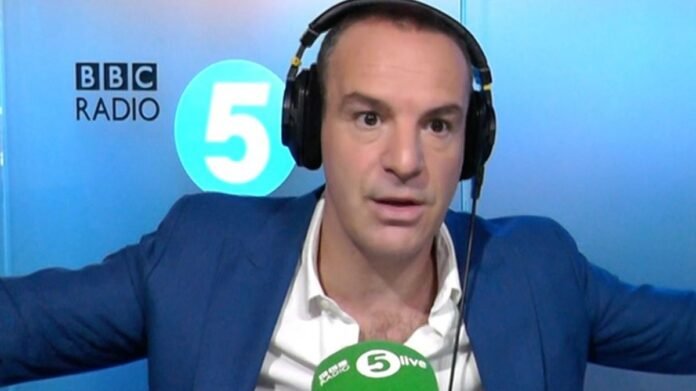
As the colder weather approaches, many individuals are contemplating their energy credit situation following the warmer months. Martin Lewis advises reviewing your current energy credit, which occurs when you have overpaid your energy provider based on estimated usage. Accumulating credit during lower consumption periods can help offset higher energy usage in the winter. If you have a substantial credit balance, you can request a refund from your supplier or adjust your Direct Debit payments to match your actual consumption.
In a recent podcast episode, Martin Lewis addressed a caller’s query about handling a £700 credit in his mother’s account. He advised splitting the decision into managing the credit balance and choosing the right energy provider. Lewis recommended considering moving to a fixed-rate contract for potential savings and emphasized the importance of maintaining a reasonable credit balance to avoid overpayments.
Lewis also highlighted the significance of monitoring energy bills paid through Direct Debit, suggesting checking accounts in May or November to ensure credit balances do not exceed around one and a half months of payments, typically capped at £300. If excess credit is identified, customers have the option to request a refund from their energy provider or escalate the issue to the Energy Ombudsman if necessary. Regular meter readings and reviewing Direct Debit payments can help prevent overestimating energy usage and accumulating unnecessary credit.