

Former Prime Minister Margaret Thatcher confidently anticipated a successful outcome for the privatization of the water industry in the UK. However, the reality has been starkly different for many, with a small group of companies benefiting while the industry as a whole struggles under massive debt and environmental degradation.
England and Wales stand out as one of the few countries where the entire water sector remains privatized, contrary to the global trend of recognizing water as a fundamental right rather than a profit-driven commodity.
The water industry today faces the consequences of years of neglect and underinvestment, reflected in its staggering debt of £82.7 billion as of last April, a significant increase within just a year.
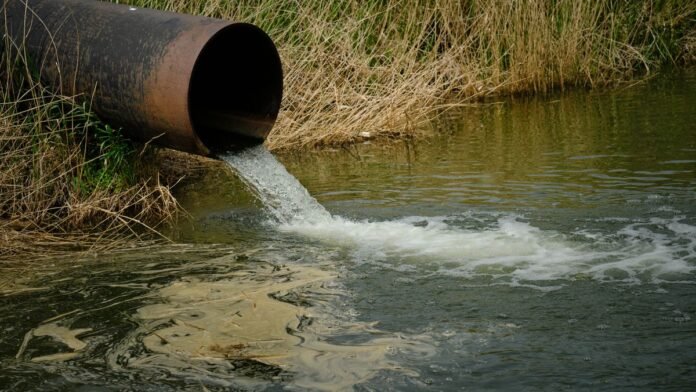
In 2023, privatized water firms in England released raw sewage for a total of 3.6 million hours, more than double the previous year’s figure, highlighting the industry’s environmental challenges.
Major players like Thames Water have teetered on the brink of collapse, with no significant reservoir built in England since the early 1990s. Despite frequent rainfall, water shortages persist, prompting concerns about future water restrictions.
The portrayal of polluted water bodies in Channel 4’s series “Dirty Business” resonates with communities witnessing the degradation of their once pristine rivers and streams, now contaminated with sewage and pollutants.
It is evident that these waterways belong to the people, not to profit-driven corporations that neglect environmental responsibilities and contribute to pollution. The failure of water privatization calls for a reevaluation, potentially returning parts of the industry to public ownership.
Across the globe, cities in countries like the US, Spain, and France have opted to “remunicipalize” water services, signaling a shift away from privatization. It may be time for the UK to follow suit and reconsider the failed experiment of private water ownership.