
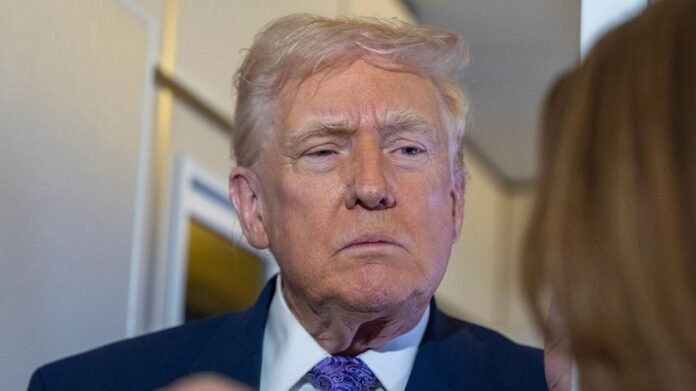

It has been a challenging week for the UK. The United States is a crucial ally to Britain, with a strong bond across various aspects including economy, defense, and culture. However, recent behavior from the US leader has caused concern, with actions perceived as bullying, disrespecting international norms, and posing threats to NATO’s integrity.
In a recent statement, the US leader made controversial remarks suggesting that NATO allies like the UK had not actively participated in frontline operations, which has been deemed as an insulting assertion. The British Prime Minister insisted on a proper apology from the US leader in accordance with NATO’s Article 5, emphasizing the principle of collective defense within the alliance.
History shows that when the US invoked Article 5 following the 9/11 attacks, nations like Britain, France, and Denmark promptly offered support, showcasing solidarity in times of need. Despite recent tensions, there remains a deep respect among US veterans for their British counterparts who have stood side by side in various conflicts.
While there are calls to distance from the US, the UK Prime Minister demonstrates the ability to confront challenges posed by the US administration without jeopardizing the enduring Special Relationship. The relationship between nations transcends individual leadership terms, ensuring its continuity beyond current political dynamics.
Additionally, there are concerns over the misuse of social media platforms by foreign entities to spread disinformation and influence democratic processes. The need to safeguard against such threats is vital, especially with upcoming elections requiring heightened vigilance.
In a separate development, the UK government has proposed expanding breakfast club initiatives in schools nationwide, aiming to address child hunger issues and enhance learning environments. These efforts are expected to provide significant savings for families and underline the positive impact of policy interventions on societal well-being.