
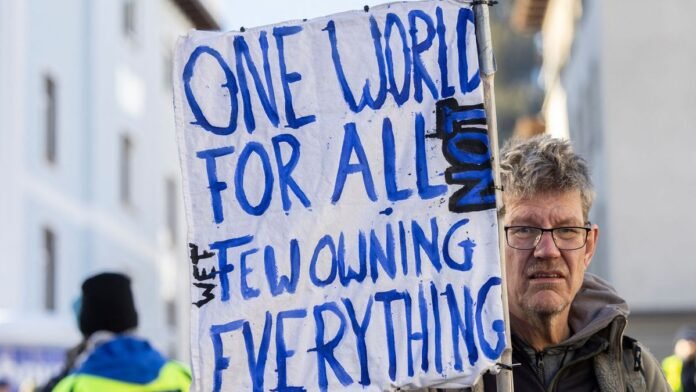

In the ongoing discussion about economic fairness, the spotlight is once again on the issue of tax justice. A recent report from Oxfam reveals a stark reality: just over 50 individuals in Britain possess wealth exceeding that of nearly half the nation combined.
The disparity in wealth distribution is glaring, with millions of Britons struggling to afford basic necessities such as food, energy, and housing. This not only impacts their quality of life but also hinders the future prospects of their children while posing a significant drag on the economy. The cost of poverty extends beyond social welfare and healthcare, impeding overall economic progress by limiting the potential of the workforce.
The root of the problem lies in the tax system, which disproportionately burdens working individuals compared to those who generate income through investments. Addressing this imbalance by equalizing the taxation of all sources of income could generate an additional £12 billion annually.
Moreover, implementing a wealth tax on assets exceeding £10 million, affecting a small fraction of the population, could potentially raise £26 billion each year. These funds could be instrumental in addressing various societal needs, from infrastructure improvements to bolstering public services like the NHS.
It is evident that the current tax regime favors the affluent while placing a heavier burden on the less privileged. Reforms are necessary to create a fairer system that benefits all segments of society. By reshaping tax policies to reflect equality and social responsibility, we can strive towards building a more equitable and prosperous future for everyone.