
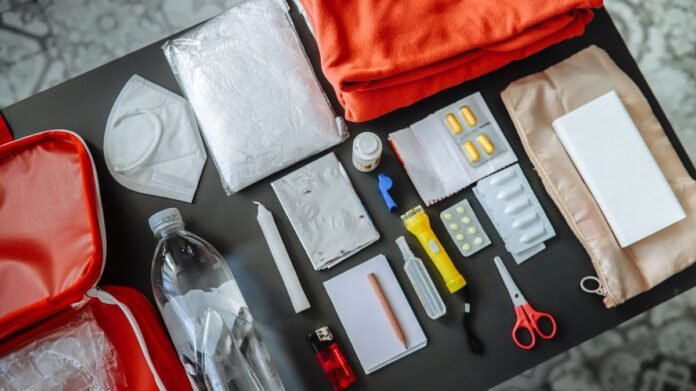

European Union households are being advised to prepare three-day emergency kits in case of potential future conflicts. The EU is encouraging citizens in its 27 member states to have supplies for 72 hours of self-sufficiency, including essential items like food, bottled water, torches, matches, energy bars, and identification documents kept in a waterproof container.
As part of a broader “preparedness strategy,” EU crisis management commissioner Hadja Lahbib officially introduced the initiative earlier this year, which stemmed from recommendations made by Finland’s former president Sauli Niinistö to the European Commission last year.
Ms. Lahbib emphasized the increasing complexity and interconnectedness of threats facing Europe today, stating, “Understanding how to respond in dangerous situations, simulating various scenarios, is a key measure to prevent panic,” highlighting past incidents like the panic-buying of toilet paper at the onset of the pandemic.
She also stressed the importance for the EU to establish a “strategic reserve” and gather critical supplies, such as firefighting aircraft, medical, energy, and transportation resources, and specialized equipment for addressing chemical, biological, radiological, and nuclear risks.
Some EU lawmakers are calling for the distribution of preparedness handbooks to all households in the EU, taking cues from existing plans in Germany and Nordic countries that provide public information pamphlets and develop apps to guide people during military attacks or national crises.
Ms. Lahbib, the European commissioner for preparedness and crisis management, stated, “We recommend that member states prepare for 72 hours of self-sufficiency.” When asked about recommended supplies, she referred to a social media video showing her emergency bag containing essentials like ID documents in waterproof casing, canned food, bottled water, matches, a Swiss army knife, cash, playing cards, medications, and a portable radio.
Several European countries already have similar preparedness protocols in place. Sweden advises stocking up on water, energy-rich food, blankets, alternative heating sources, and a battery-powered radio at home. Norway recommends storing non-essential medications, including iodine tablets for potential nuclear incidents. German households are urged to convert cellars, garages, or storage rooms into bunkers, with new home constructions in Poland already including safe shelters as a legal requirement.