
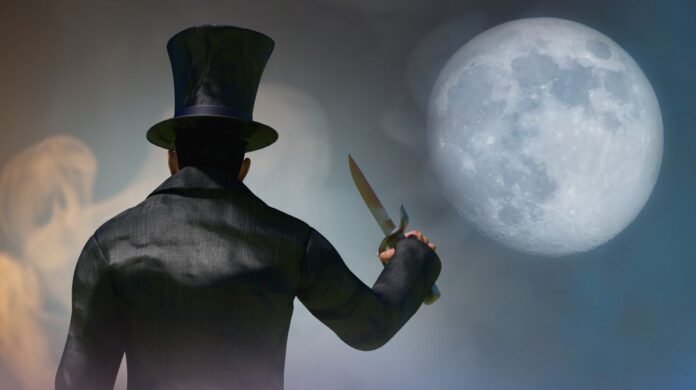

The enigma of Jack the Ripper and the quest to unveil their true identity have captivated investigators, theorists, and amateur sleuths for decades. Even during the Victorian era, the public was consumed by the grisly murders, eagerly reading about them in publications like the Police News. Numerous books have been published on the subject, with global sales reaching millions.
Over the years, the notorious killings have inspired dozens of films and TV series featuring acclaimed actors such as Michael Caine, Johnny Depp, and Klaus Kinski. The East End of London has transformed into a macabre site of pilgrimage for Ripper enthusiasts, offering guided tours of the murder sites and themed pubs for visitors. The brutal nature of the crimes, spanning 70 days and claiming the lives of at least five women in the Whitechapel district between April 3, 1888, and February 13, 1891, mesmerized the city of London. Despite the intense fascination, the perpetrator’s identity remains a mystery.
Speculation arose early on that Jack the Ripper could have been a woman, known as Jill the Ripper. One theory proposed by police investigator Frederick Abberline suggested that the killer might have escaped by impersonating one of the victims. The possibility of a female culprit, potentially a midwife, was raised by author William Stewart in his book, “Jack the Ripper: A New Theory,” published in 1939. Stewart highlighted key questions about the suspect’s ability to move unnoticed, explain bloodstained clothing, and possess the necessary expertise for the mutilations.
Some clues at the crime scenes hinted at a female perpetrator. The absence of sexual assault on the victims and the placement of personal items in a feminine manner raised suspicions. Discoveries like women’s buttons, clothing remnants, and neatly folded garments added to the intrigue. While the midwife theory seemed plausible, the prime suspect was Mary Pearcey, a woman convicted of a double homicide in 1890 resembling the Ripper killings.
Further suspicions were cast on Lizzie Williams, wife of a prominent surgeon, who was believed to have motives and connections to the crimes. Allegations suggested that Lizzie’s jealousy and fear led to a breakdown, potentially confiding in her husband about her involvement. Despite the compelling theories, the true identity of Jack the Ripper remains elusive, awaiting breakthroughs in science and DNA analysis.
Recent advancements in DNA technology offer hope for uncovering the Ripper’s identity. Collaborations between forensic genealogy experts and academic institutions aim to utilize minuscule DNA samples to crack cold cases, including the infamous Jack the Ripper mystery. The potential for identifying long-lost victims and perpetrators through advanced DNA profiling techniques presents a promising avenue for solving historical crimes.